In our 2026 SLD Trends Report, we identify how nationalism is influencing the way people trust and choose brands. Shoppers are looking closer to home to find more meaning in their purchases.
A recent poll reveals that 53% of Canadian shoppers are intentionally choosing local options, even if it means paying a bit more. For most, supporting local is a desire for identity, security, and emotional connection. The brands succeeding with local messaging are those that make an effort to really anchor themselves in their communities.
1. Localized Retail Environments Design
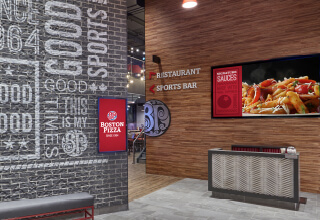
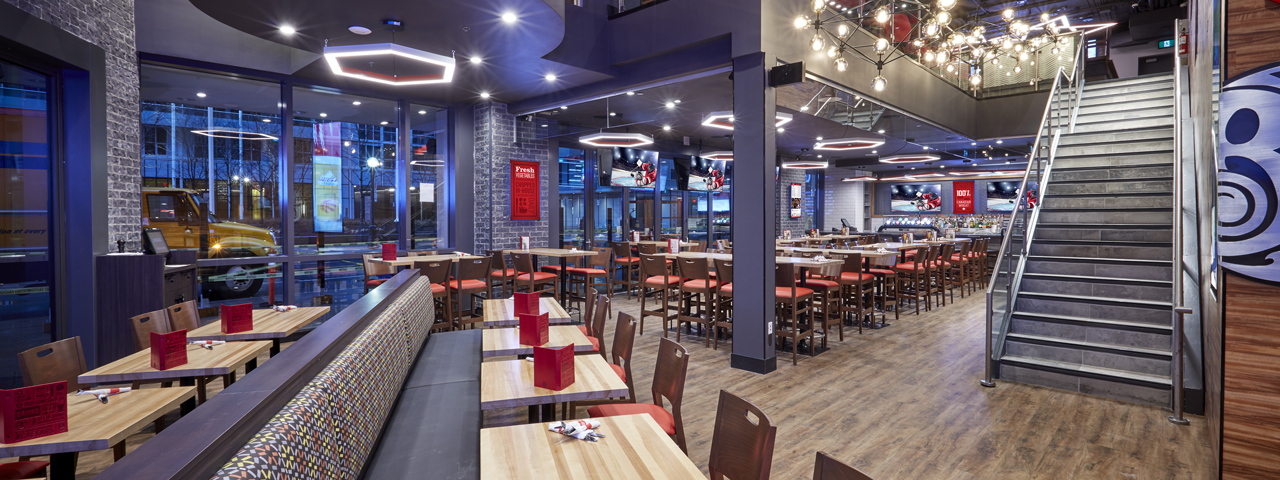
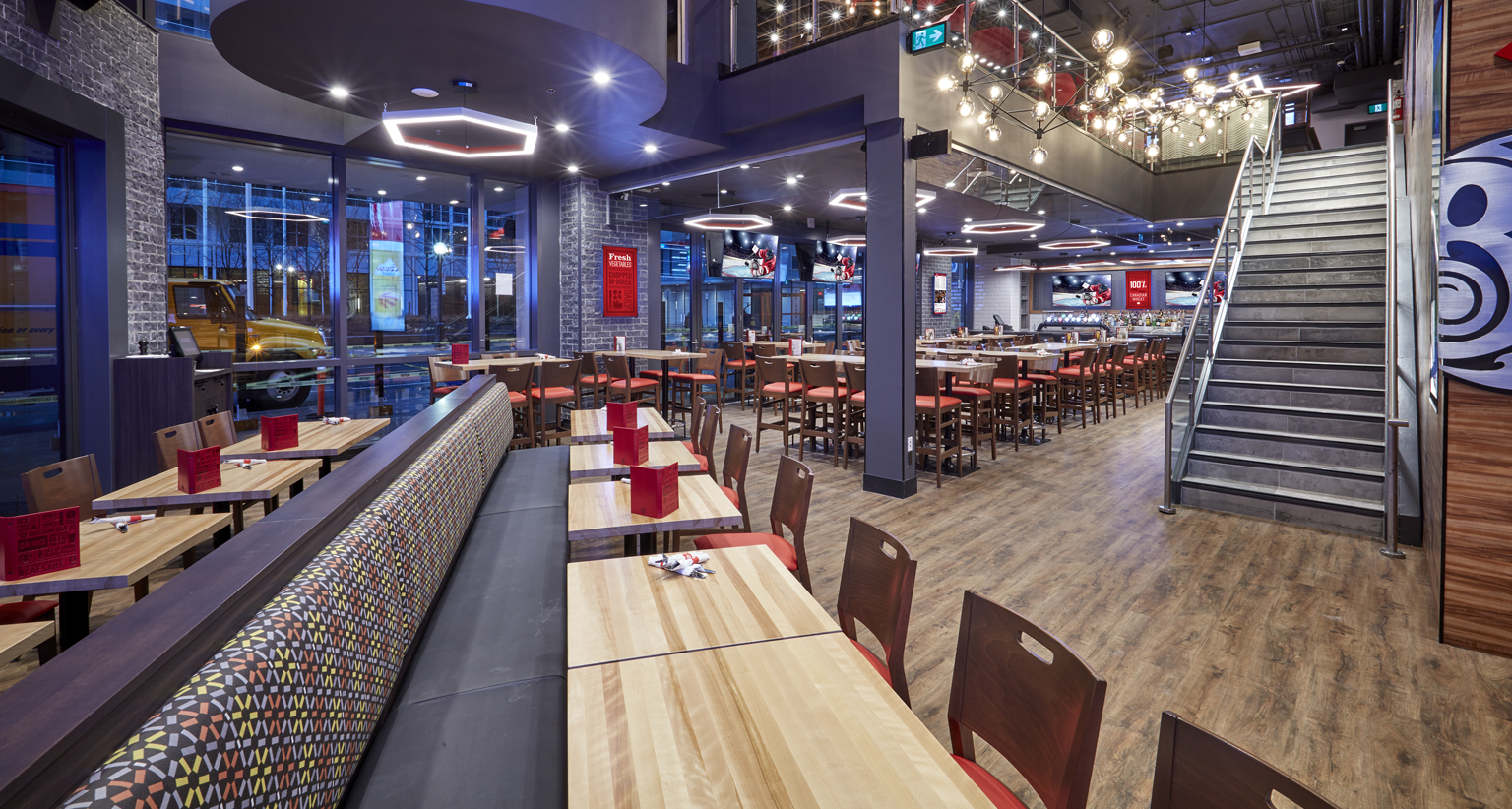
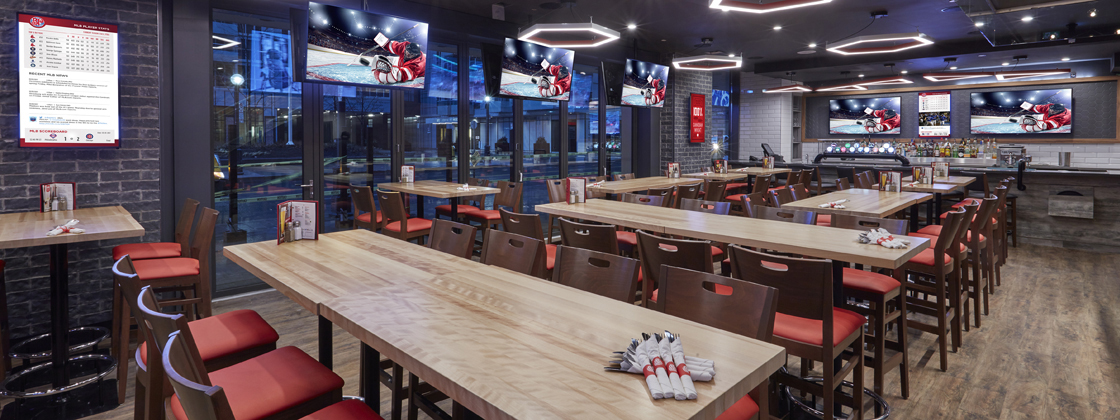
The flagship design for Boston Pizza is an example of a brand that leverages localized design, even within a large network. Situated in downtown Toronto, the flagship captures the city’s love for sports. A mural of the landscape provides a familiar backdrop. The design also considers the different needs of the community. The integration of flexible zoning and communal tables helps staff accommodate sports fans watching a game, sports teams celebrating together, and families dining out. The city’s teams are celebrated throughout the restaurant, and every seat has a view of the game, making the connection to the community at every opportunity.
Image Source: SLD
2. Transparency is the New Design Standard
Consumers are searching for brands that are transparent about their supply chains and raw materials. We’ve outlined some brand essentials through the lens of the Canadian market, but it is important to do your own research for your specific target market.
Canadian Origin Claims
Consumers are increasingly educating themselves on the legal nuances of domestic labeling. To avoid the “maple-washing” trap, ensure your labels are technically accurate.
- Product of Canada: Use this only if at least 98% of the production costs and ingredients are domestic. This is the “gold standard” for the 2026 consumer.
- Made in Canada: Use this for products where at least 51% of the costs are domestic, and ensure it is qualified (e.g., “Made in Canada with imported ingredients”).
- The Danger Zone: Avoid vague phrases like “A Canadian Company” or “Baked in Canada” as your primary headline. While technically true, they often signal a lack of transparency to a wary shopper.
3. Why Storytelling Matters
To truly champion local, brands must be willing to open the doors and let their consumers take a look at the process. Storytelling is the bridge that helps consumers understand the fuller picture behind the label.
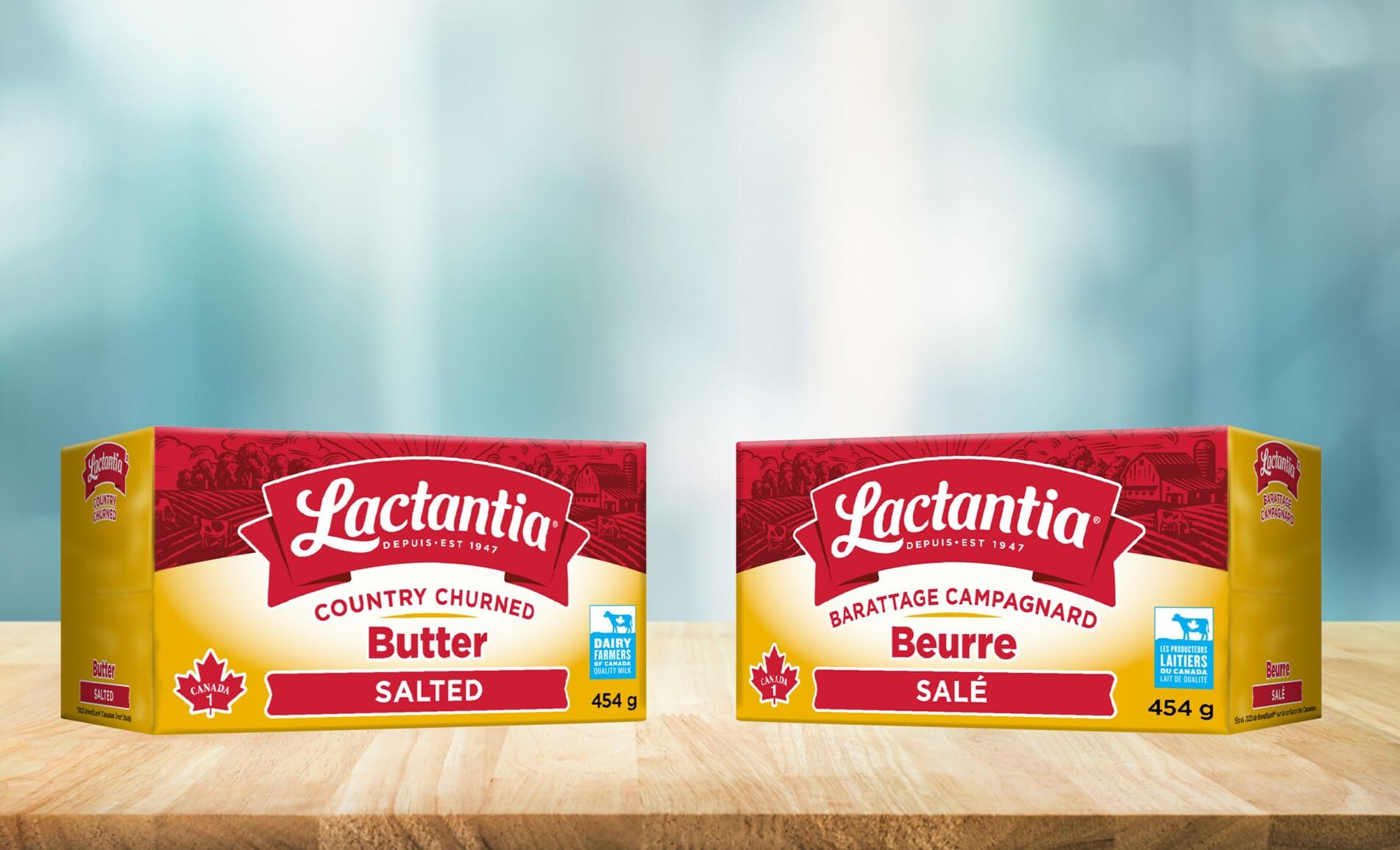
Lactalis Canada is a brand that has built confidence and pride with its shoppers as a Canadian company. Through initiatives such as “Buy Canadian Grocery Guide” and the “Made For Canadian Moments” campaign, Lactalis marketing taps into that sense of pride while demonstrating its true impact. They lead with transparency by highlighting their 30+ local operating sites and thousands of Canadian employees on their website and social media. On top of this, its packaging also includes verified symbols such as the Dairy Farmers of Canada “Blue Cow” logo.
While transparency used to be seen as a brand risk, it’s now a major driver of loyalty. If you communicate honestly about both the setbacks and where you’re still improving, you build credibility.
Image Source: Lactalis Official Website
4. Protect the Integrity of National Symbols
Misuse of a national symbol in marketing could backfire. The Maple Leaf icon, for example, is the most powerful visual asset in the Canadian market. If your product is heavily reliant on international supply chains despite being finished in Canada, overusing it can be misleading. Ensure that the prominence of national symbols is proportionate to the actual content. Using these icons correctly protects your brand from backlash.
5. Harmonizing Multiculturism with National Pride
The challenge for brands today is ensuring their definition of “local” is wide enough to include everyone. There is a fine line between domestic pride and letting a nationalist narrative tip into something that feels anti-immigrant or exclusive. Forward-thinking brands treat diversity as a defining feature of national identity. In practice, this means expanding flavor portfolios to reflect diverse cultures, creating seasonal packaging that honors unique holidays, or analyzing how diverse cultural groups experience and navigate a physical space. Does the layout easily transition to accommodate different neighborhood gatherings? The branding and environment should intuitively mirror the community’s daily rhythm.
Harmonizing multiculturalism with national pride also requires broadening a brand’s visual vocabulary. Instead of relying solely on hyper-traditional national symbols, design elements should celebrate the global-local mix, whether by incorporating multilingual typography or subtle cultural patterns. These details serve as signals of belonging, ensuring your brand feels genuinely shared.
Nationalism is pushing consumers to be more intentional and more emotional about where they spend their money. The real connection happens when a brand stops just selling and starts proving its understanding and shared value with the communities it’s part of.