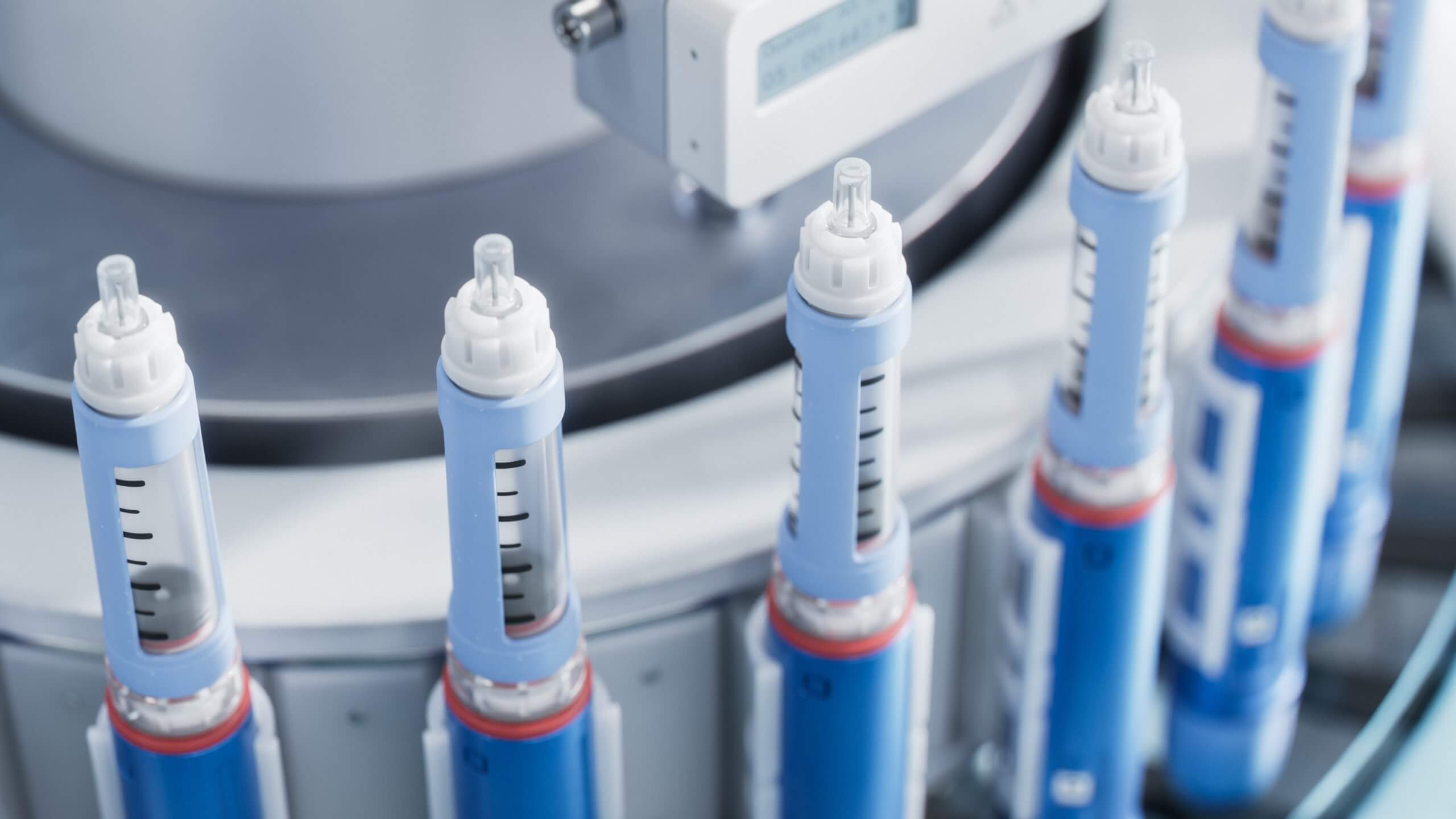
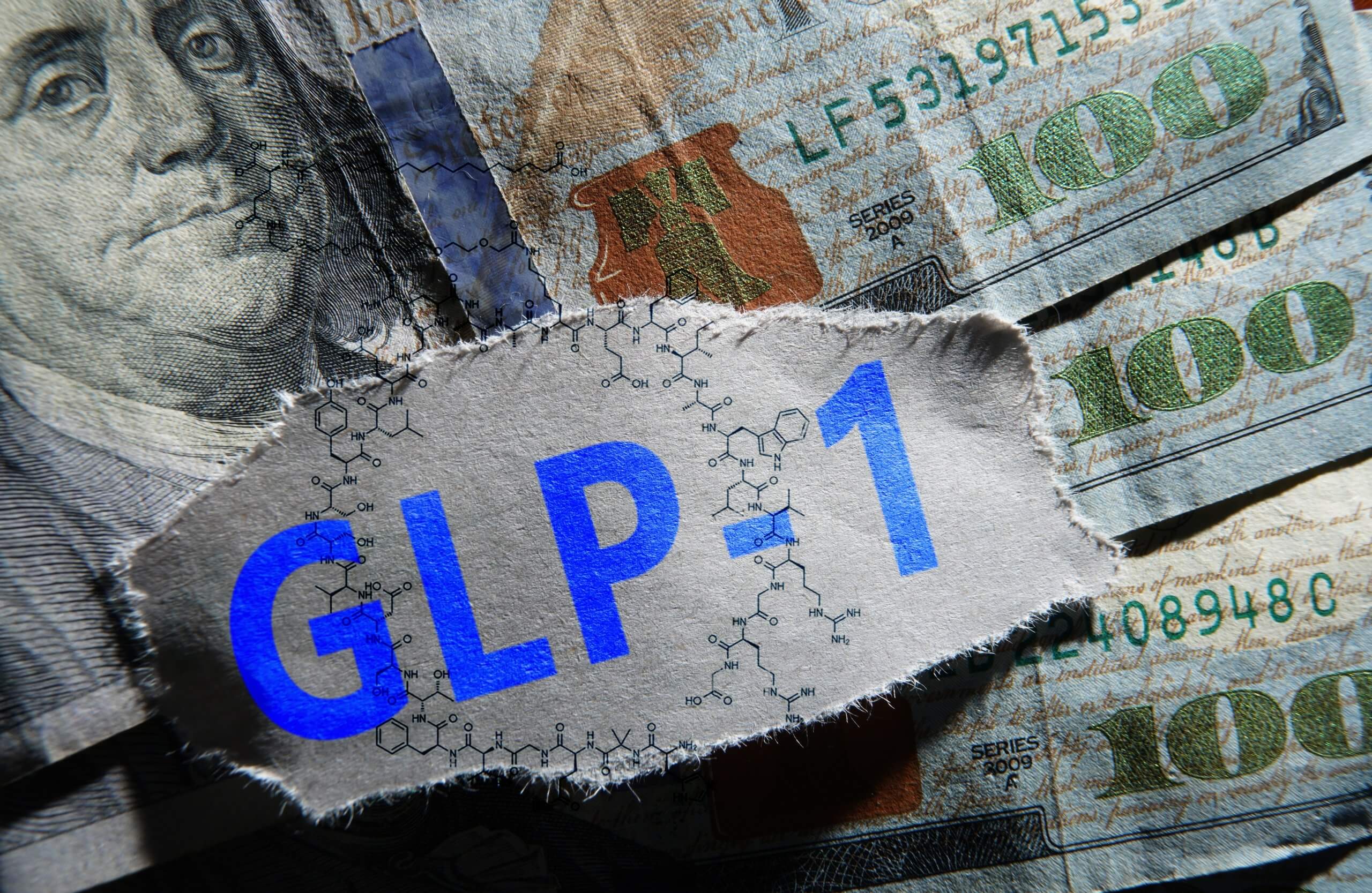
Over nearly four decades, our firm has stayed ahead of evolving consumer behavior. Our latest 2026 Trend Report signals that packaging is entering a new era. This transition is not just about sustainability or AI. The real disruption is behavioral. The rise of GLP-1 drugs is changing how consumers behave when it comes to food.
GLP-1 medications started as a treatment for type 2 diabetes. Today, millions use them to manage weight and suppress appetite. This drop in cravings completely changes how people buy food and browse the grocery aisle.
A Shopper Transition is Underway
GLP-1 usage is growing fast. In the U.S., about 12% of adults have used these drugs. By late 2025, over 12% took them for weight loss, up from just 5.8% in early 2024. The global market may double within the next 10 years. This trend is altering grocery habits in big ways. One study found that households on GLP-1 cut grocery spending by 5.3% within six months. On average, these families spend about $416 less per year.
A closer look at the data reveals that consumers aren’t just cutting back, they are shifting their priorities. While sales of sodas, chips, and sweet snacks are plummeting, health-conscious choices like yogurt and fresh produce are seeing a major lift.
Image Source: Shutterstock
The “Blink Factor” Moment is Changing
Packaging’s Emotional Role at the Shelf for GLP-1 Users
- Audit category heuristics through a GLP-1 behavioral lens, especially where impulse has customarily driven conversion.
- Reassess whether pack cues signal temptation, trust, confidence, nourishment, or control, and whether those signals still match the emerging shopper mindset.
- Consider packaging size and formats to appeal to customers who consume less.
- Rebuild packaging briefs around GLP-1 decision states, not just demographics or occasions.
- Test hierarchy of communication and claims to determine which strike a chord with both GLP-1 and the general consumer base.
- Treat GLP-1 not as a niche medical trend but as an early indicator of a wider intentional-purchase economy, where retailers’ private-label programs may seize the opportunity, much like organic and healthier-for-you sub-brands.