Looking ahead isn’t just about following trends; it’s about understanding the deeper shifts that shape consumer thinking and behaviour. As we enter 2026, the brands that stand out won’t simply adopt new tools or aesthetics they will leverage these shifts strategically. This year, we’ve identified five emerging signals of change that marketers should watch closely as they plan for what’s next.
#1 AI as a Creative Collaborator
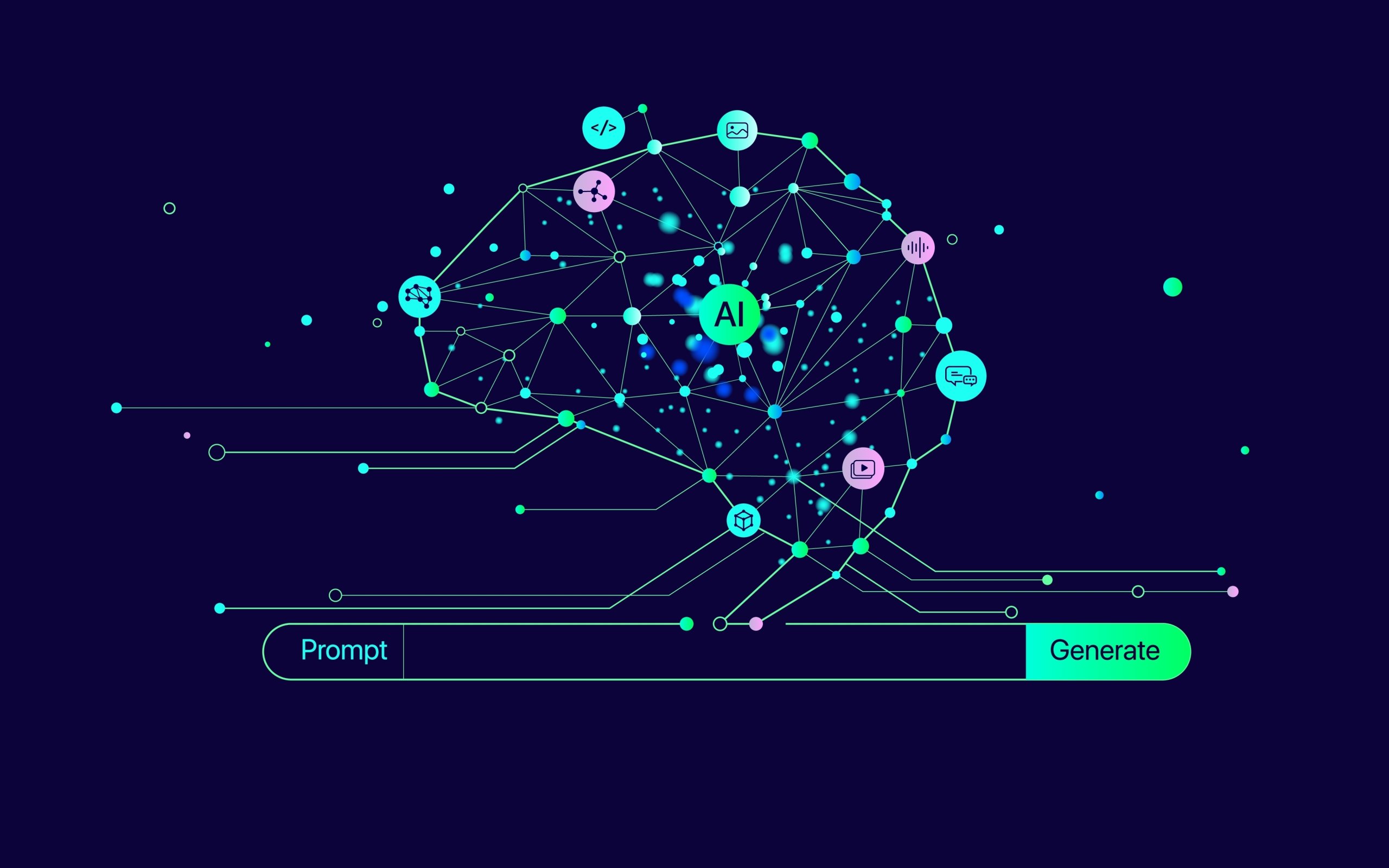
Artificial intelligence (AI) is becoming a partner in creativity. AI and automation reshape tasks across industries, from customer support and logistics to creative roles. Employees are increasingly required to develop hybrid skill sets that combine technical expertise with interpersonal and critical thinking abilities that machines cannot replicate.
In 2026 and beyond, AI won’t just generate outputs, it will help shape ideas, refine brand messaging in real time, and build personalised experiences based on emotional cues. This presents a formidable advantage, but also a greater responsibility for brands. In a world where anyone can produce endless content on demand, authenticity becomes the ultimate differentiator. Protecting brand voice and values will be critical to sustaining credibility. Brands must establish ethical frameworks for AI use, be transparent about data, and define creative guardrails so AI enhances human thinking rather than replaces it.
Image Source: Shutterstock
#2 The Rise of Community-Driven Commerce
Commerce is shifting from mass reach to smaller, social groups. Instead of targeting broad audiences with generic personas, brands are building micro-communities rooted in niche interests or identity. These communities operate less like marketing channels and more like collaborative communities.
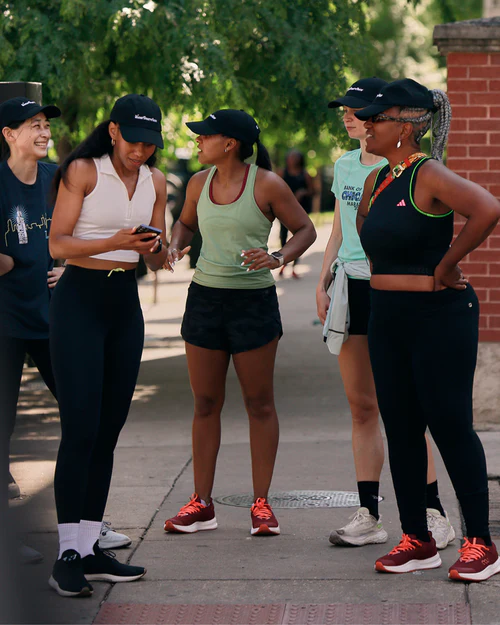
The most influential brands will treat customers as co-builders. This means involving them in product development and content creation. A compelling example is Saysh, the women-focused footwear brand founded by Olympian Allyson Felix. The brand’s mission extends beyond product performance, it centers on creating a supportive community for women whose experiences and athletic journey are often overlooked by mainstream sportswear. Through the Saysh Collective, members receive early product access and direct influence on brand policies, including initiatives such as their Maternity Returns Program. The program replaces shoes for customers whose sizes change during pregnancy. By inviting participation from the start, Saysh turns customers into loyal advocates.
Image Source: Saysh Official Website
#3 Cultural Nuance at Global Scale
Global brands can no longer rely on universal narratives. The next era of global branding requires cultural specificity from the outset, supported by local messaging and tailored product and customer experience design.
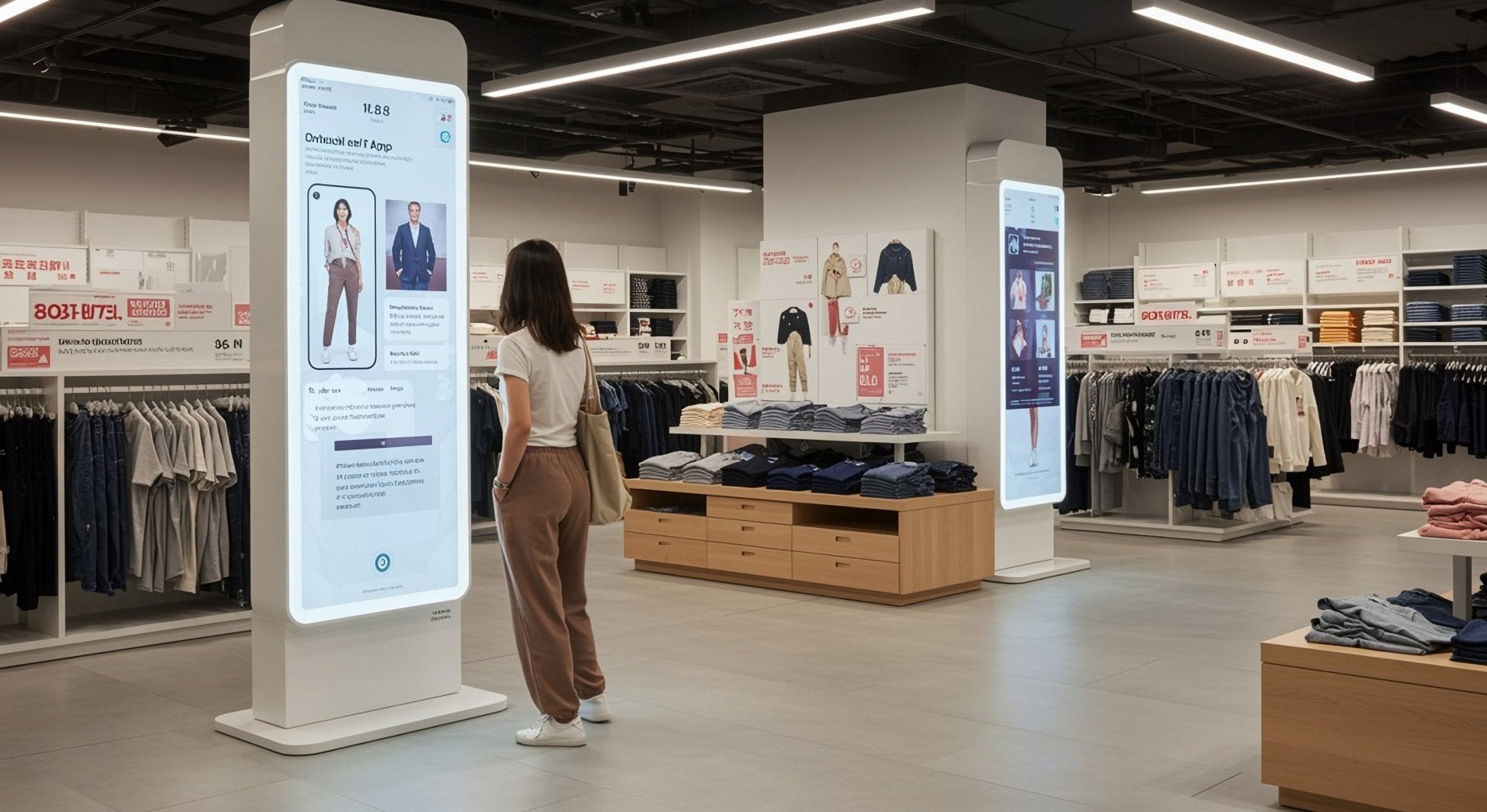
The solution is to empower regional teams and partners to help guide how the brand shows up in each market. Brand presence becomes about participating in culture and community, rather than just marketing to it. Uniqlo is a strong example of this practice. In China, the brand launched 18 co-branded lines celebrating regional culture with symbols such as opera masks, pandas, and hot pot. Their “LifeWear” concept also varies market by market, with stores adapting their assortments to local climates and lifestyle preferences. In Southeast Asia, it leans more heavily into lightweight fabrics designed for humid weather. In North America, it skews toward comfort-first basics aligned with casual work culture.
Image Source: Shutterstock
#4 Authenticity as Emotional Value
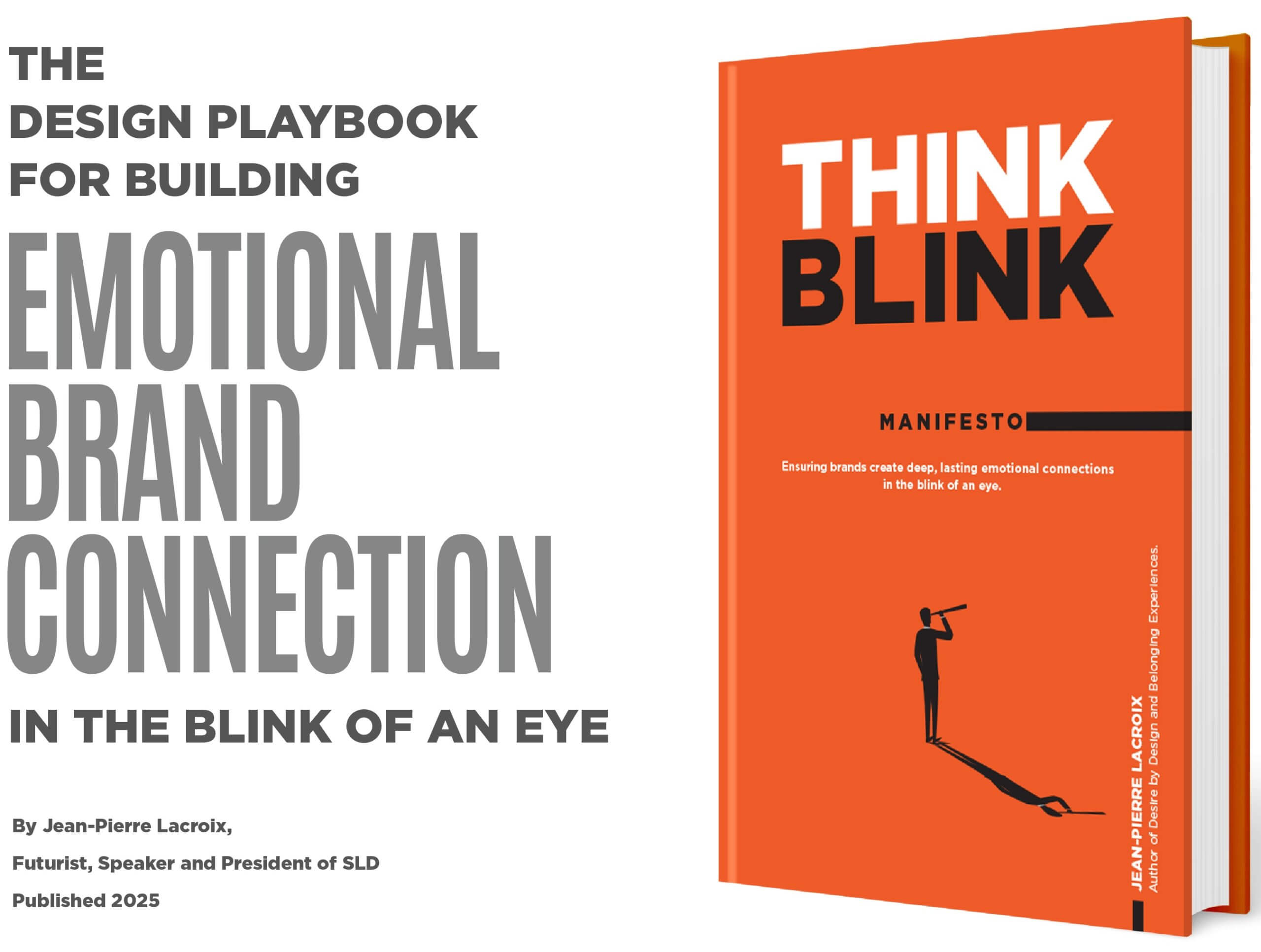
As AI accelerates production and floods the internet with content, people are becoming more sensitive to what feels genuine. Authenticity must be demonstrated through persistent action and a relatable human voice. This year, we published The Think Blink Manifesto, which introduces a framework built on seven core tenets that guide brands in creating immediate emotional resonance. The Manifesto argues that meaningful connections happen in the blink of an eye, not because content is louder or faster, but because it feels intentional and human. The tenets emphasise clarity and branding principles that respond to real human behaviour.
Image Source: SLD
#5 Navigating an AI-Driven Media Landscape
The way audiences discover information has changed from manual search to AI-powered recommendations. Search engines, digital platforms, and personal AI agents are increasingly deciding what content reaches consumers, reducing the role of direct search behaviours.
As a result, the traditional mechanics of SEO and search-driven marketing built on predictable user intent and keyword-targeting are being replaced by systems that optimise for meaning, authority, and semantic context at scale. For brands, visibility will depend on being “machine-readable,” not just marketable. Content strategies must serve both humans and the systems curating information for them. This calls for structured and context-rich storytelling, consistent metadata, and thought leadership that positions brands as credible sources for both algorithms and audiences.
Image Source: Shutterstock
Building for the Future
The seventh tenet of the Think Blink Manifesto urges brands to look far into the future. Trends matter, but anticipating what comes after them is even more critical. Preparing for 2026 means rethinking not just your messaging, but your organisational structure, how teams collaborate with AI, how audiences evolve into communities and partners, how content is designed for discovery, and how culture informs strategy from the ground up. As we move forward, innovation is defined by creating experiences that feel meaningful and human in an increasingly technology-driven world.