Winning Hearts in Foodservice: Why Visibility and Basic Service Are No Longer Enough

In the fast-moving foodservice industry, you can win or lose customer loyalty in a heartbeat, and just being a recognizable brand isn’t enough to keep it. Most fast-food spots are highly visible, but there is a disconnect between being seen and being loved.

Our second edition of the 2026 ThinkBlink Studies explores how foodservice brands show up for consumers using the Blink Factor. We surveyed 300 foodservice executives and 300 consumers to compare both sides of the industry. The data confirms that a recognizable logo and standard service are now just the bare minimum. Today’s consumers want a personal connection.
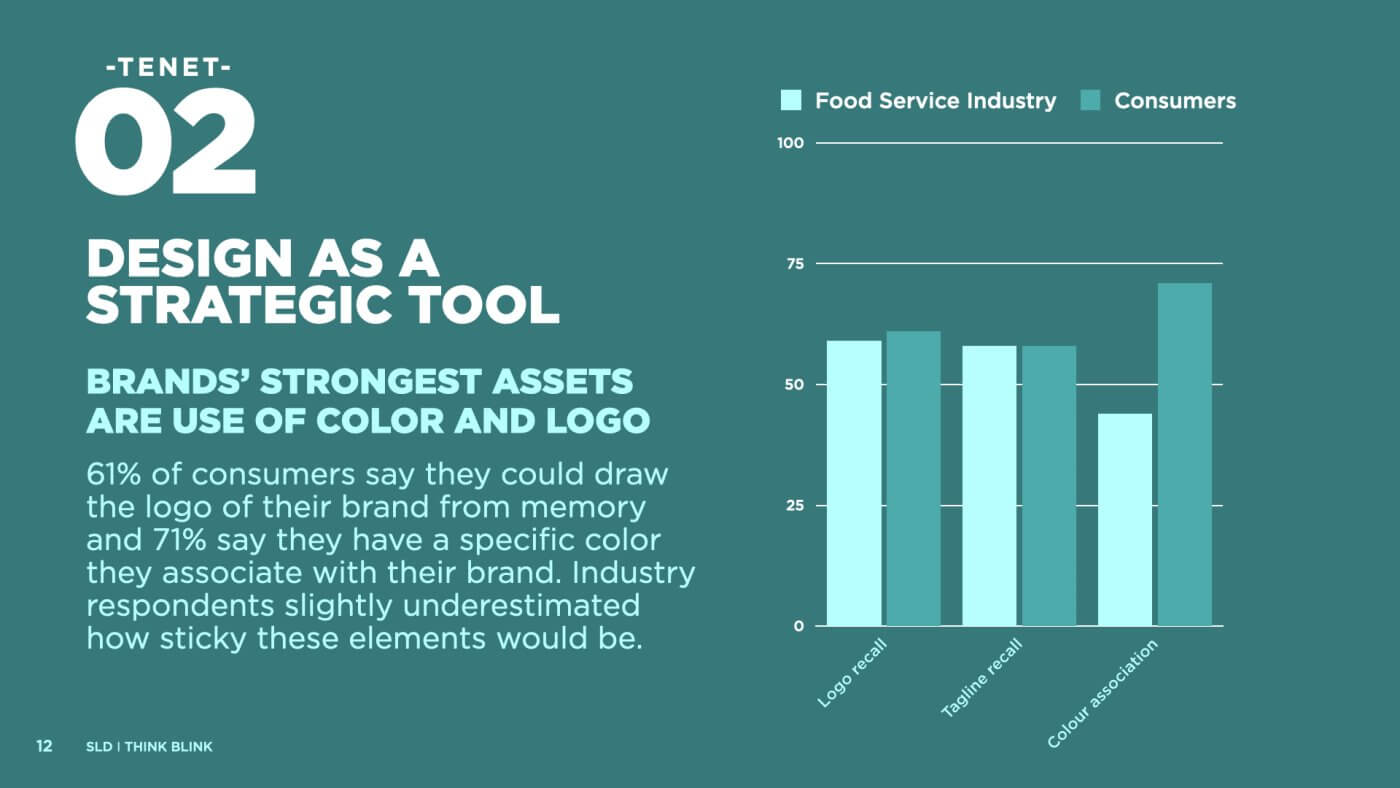
 
The study shows that 61% of consumers can draw their favorite burger chain’s logo from memory, and 71% easily associate their preferred brand with a specific color. Additionally, 43% of consumers can spot a specific food chain from a distance. But despite this high visibility, only 25% feel that a brand’s visual identity actually matches their emotional experience. And this disconnect goes beyond design. It spans across multiple customer touchpoints, from brand storytelling to everyday service.
 

Image Source: SLD

The Storytelling Gap
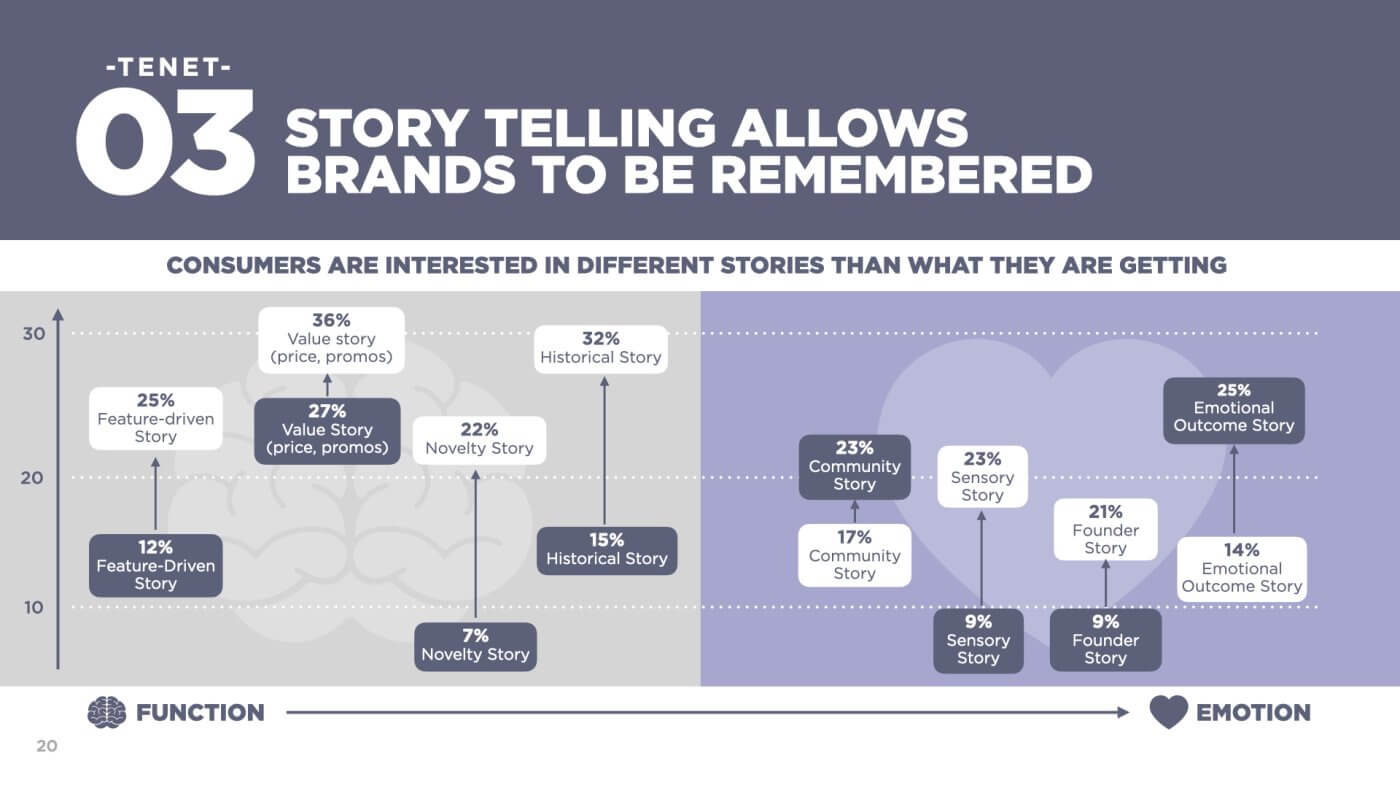
A significant 75% of foodservice brands believe they tell their story well. Yet, only one-third of consumers feel they actually know their favorite brand’s story. This gap exists because of the types of stories brands choose to tell. Foodservice leaders focus too much on functional marketing, like quality and value. Meanwhile, consumers want something different. Promos bring customers through the door, but people want sensory, historical, and founder-driven stories that humanize the brand.
 

Image Source: SLD

Service vs. Speed

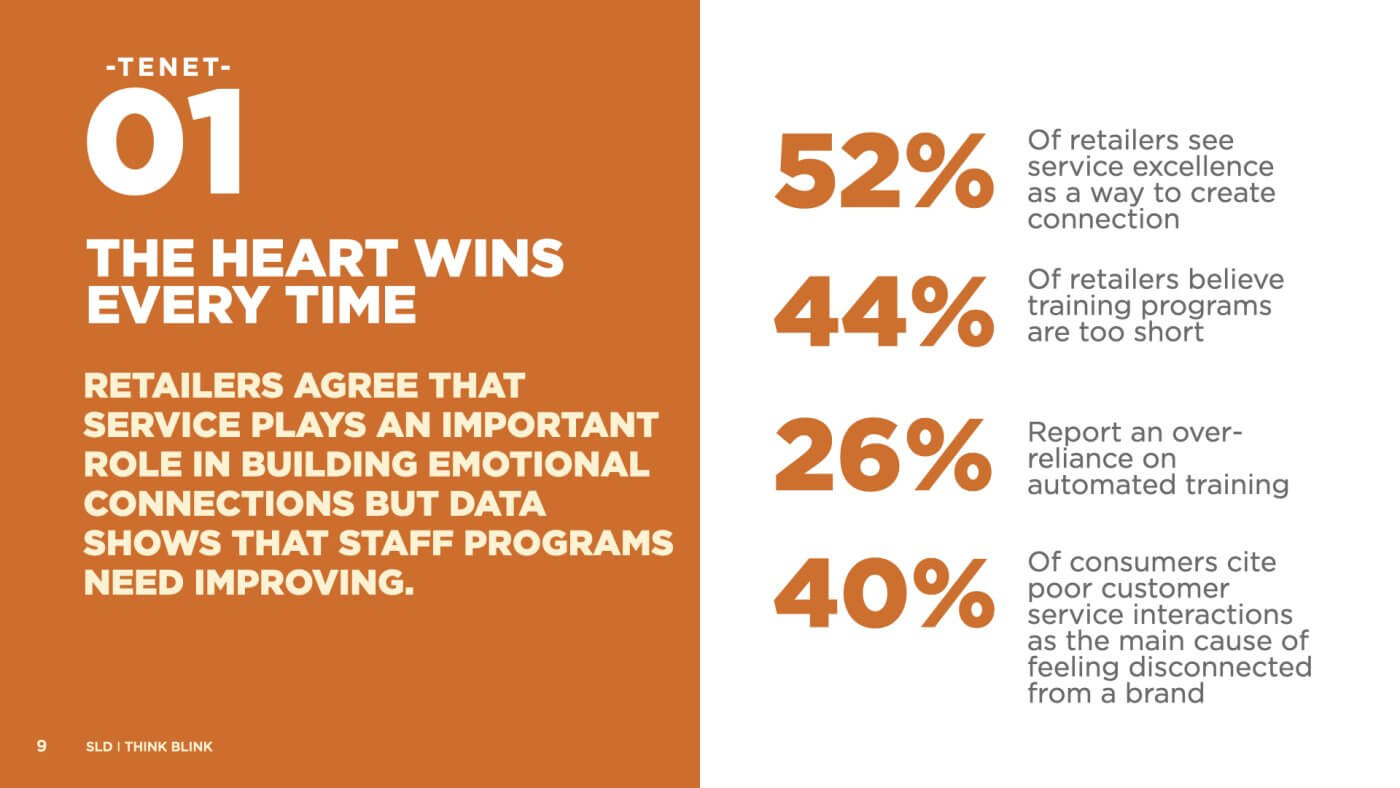
When we asked consumers where brands best capture their ideal experience, customer service was the clear winner. Service builds emotional connections better than TV commercials or word of mouth. While 52% of retailers agree that great service builds these connections, their daily business choices tell a different story.
 
On one hand, 33% of consumers say great customer service makes them feel deeply connected to a brand. Also, 40% of consumers say a poor service interaction is the main reason they leave a brand. On the other hand, 46% of retailers admit they use staffing models optimized for speed and quick transactions instead of focusing on meaningful interactions.
 

Image Source: SLD 

To go beyond baseline expectations and create truly memorable guest experiences, we recommend training your front-line team to recognize and respond to emotional cues instead of relying too heavily on automated service or training tools. As noted in our Connection Crisis study, consumers are seeking human interaction and do want brands to be part of that.

Why the Gap Exists

If consumers want better connections, why aren’t brands delivering? The data suggests that brands rely too much on digital metrics. Brands favor quantitative data: customer loyalty data, social listening, and online surveys. However, these easy-to-collect data sets can create blind spots. Online bots compromise the integrity of web surveys. Automated responses now account for 30% to over 90% of data in some cases. Furthermore, bots now generate nearly half of all basic online reviews and often drive the conversation on social media. Verify data integrity against AI disruption by using qualitative methods such as interviews to filter out bot-driven feedback online, and discuss other, more reliable ways to measure customer satisfaction with research partners.
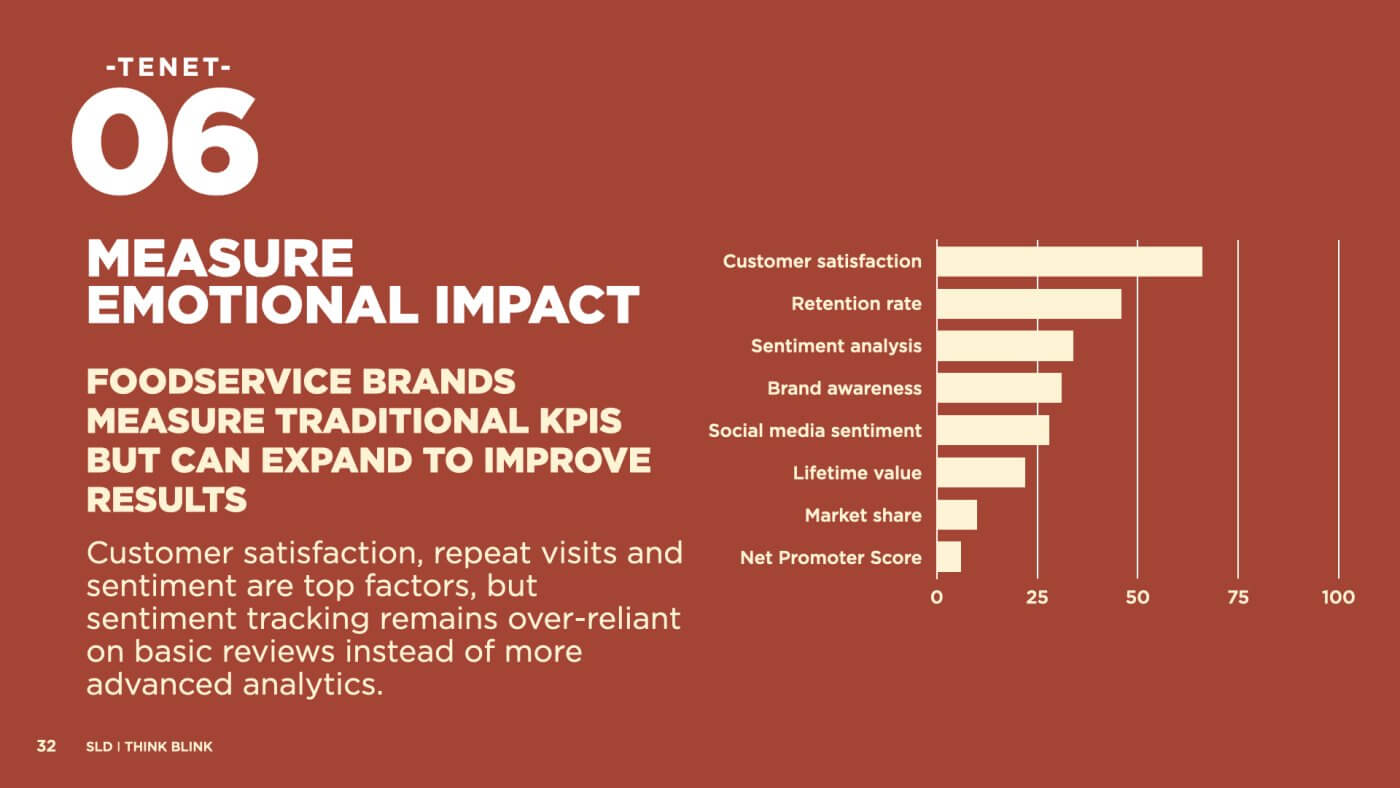
Image Source: SLD

Preparing for Long-Term Shifts
Right now, foodservice brands take a cautious approach to change. Most recognize they need to evolve. However, around 30% state they need minimal to no change, citing their current success as a reason to stay the course. Brands that invest in innovation focus heavily on two major areas: targeting personalized experiences at 38% and sustainability at 30%.
 
Despite these investments, leaders feel mixed about their future readiness. Only 4% of respondents feel completely ready for the rise of AI, while 32% feel somewhat ready, and 38% sit in the middle. The outlook is very similar for environmental shifts, where only 7% feel completely ready for climate change. Overall, foodservice brands handle short-term product innovation well, but they remain vulnerable without a long-term vision.
 
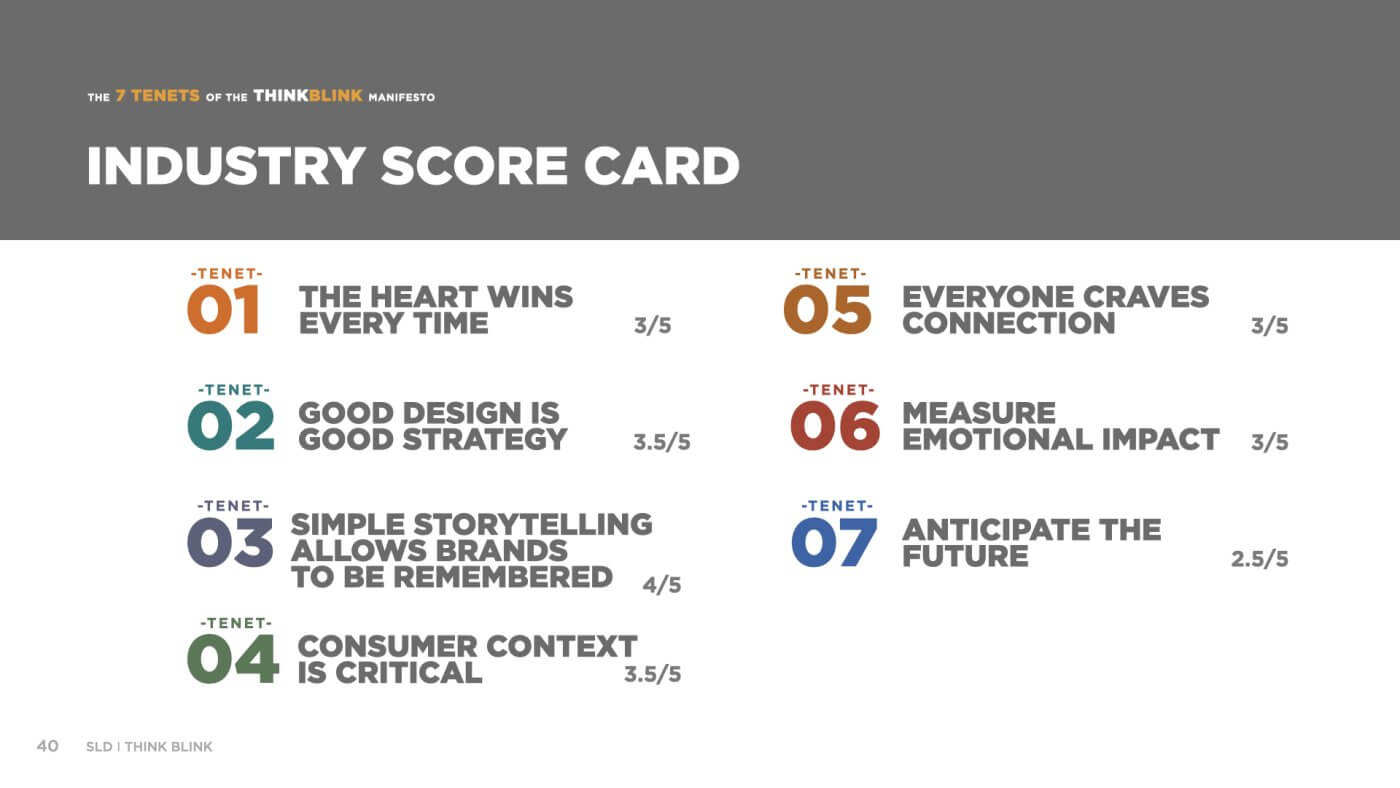
Our study graded the foodservice category across the 7 tenets of the ThinkBlink Manifesto to see exactly where the industry stands. The final industry scorecard shows plenty of room for improvement, especially in storytelling and future planning.
 

Image Source: SLD

To access the full report and see all the data, visit our Foodservice & Emotional Connection study page.