Generation Z is poised to overtake Millennials as the main demographic brands want to target and understand. However, it’s problematic to lump an entire generation together simply based on their birth date. There is a tendency for media and marketers to make sweeping statements that often don’t go very deep. While trends can help point us in a direction, without more specific investigation they send us to the middle of a group that diverges into many smaller, more specific groups with different perspectives and needs. Such generalizations can be misleading.
For example, avocado toast was seen as a symbol of Millennial spending habits and blamed for the financial woes of an entire generation. The initial reference was made by an Australian millionaire on 60 Minutes and while it was derided in some quarters, it became seriously discussed by media – and attitudes about Millennial spending often came back to the avocado toast theory. It sounded nice and compact, a great soundbite that was much more comforting than tough conversations about student loans, income disparity, inflation and stagnant wages. By over-generalizing, media and marketers were aiming for a middle ground where few actual Millennials could be found.
Marketing to the middle is a tactic considered by most to be a strategy best avoided. Broad trends about Gen Z are already circulating – but in order to really understand your customer, you need to treat those trends as the intro paragraph to a book that has many, many chapters. What you need to understand is what chapter, what sub-section and ideally, what single sentence resonates with your Gen Z consumer group.
GEN Z AND THE POWER OF UNIQUE
Popular culture is finding itself strained as the internet allows us to become more specific in the type of content we seek. Gen Z has grown up with the ability to be hyper-specific or to dive into an enormous ocean of randomness. What they are finding is small, niche interests and idols that are changing pop culture from a mass-market to a million micro-markets. In this article, we explore a few of these micro-markets to get a better understanding of the many faces of Gen Z.
Non-Traditional Sports Enthusiasts
Everyone knows Esports are important to Gen Z, but aside from competitive gaming, there is a rise in other non-traditional games that should be on brands’ radar.
First of all, there has been a sharp decline in engagement in traditional sports, both as fans and participants, for Gen Z. The trend is driving traditional sports’ leagues to rethink their strategies and develop more Gen Z friendly content such as video compilations.
So where are kids getting their game on? It’s in some pretty unlikely places.
- Speed-stacking is an extremely popular competitive game that challenges you to stack and unstack cups in different tower shapes as fast as you can.
- Quidditch, the game that plays an important part in the Harry Potter series, is now a real game (minus flying on brooms).
- Ultimate (the official name for Ultimate Frisbee) is so popular there is a strong chance it will make its Olympic debut in 2028.
- Various paddleboard activities, dodgeball, indoor rock-climbing, cheerleading and circus school are some of the niche physical activities that are now becoming mainstream – many of which have competitions at the international level.
WHAT’S NOTABLE ABOUT THESE GROUPS:
- Gen Z may still identify as fans of a sports team, even if they rarely watch a game. This strange dichotomy may not make much sense to older generations but getting your head around this as a marketer is important. A small amount of engagement can still mean a sense of affiliation – but this removed affinity is less powerful. Where that real affiliation comes is with more specific, niche activities where there is a small but highly active community.
RELATED TRENDS:
- Esports, Fortnite World Cup, Online Fitness, personal fitness trackers, In-Game events in gaming platforms, niche competitions.
Macgyvers
Gen Z got a STEAM/STEM heavy education, with coding, robotics, building games like Minecraft and tactile experiments like slime-making a part of their regular educational programming. While for many STEM was just another class, for some Gen Z, tinkering has become a passion.

This group has a number of sub-groups: robotics enthusiasts, thrifters and upcycling entrepreneurs are just three. All have learned by tinkering with existing materials and are motivated to reuse them creatively to reduce negative environmental impact. But each group has unique traits.
Thrifters are motivated by the desire to reduce their carbon footprint through resale shopping. But it’s also about the hunt and the “flip.” “Thrift flips” are a popular trend on YouTube and TikTok, where influencers show their followers how to turn an outdated item into something stylish. Influencers also explain how to find items at unusual places, such as unclaimed baggage and estate sales. Many thrifters are turning this into a career as they create clothing lines out of their thrift flips or develop a YouTube following.
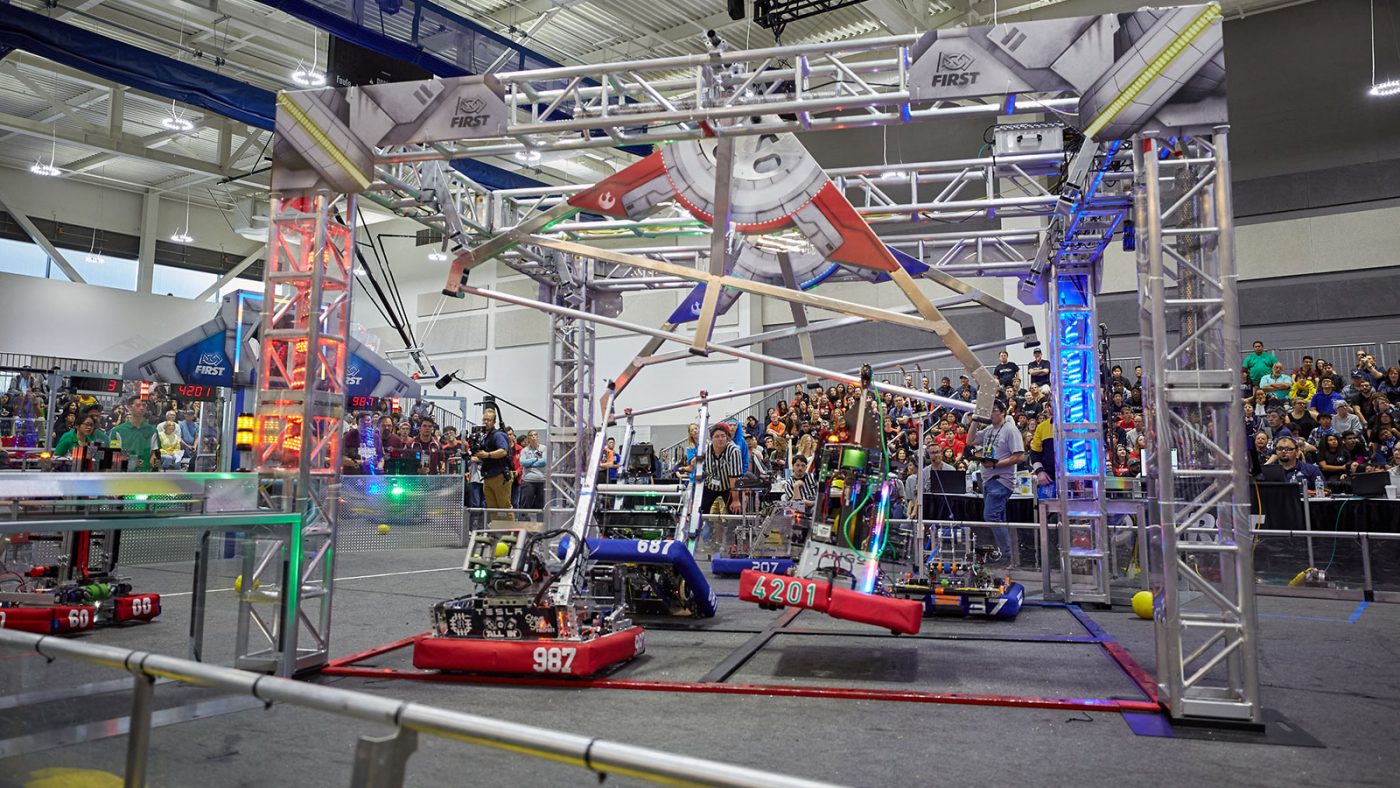
Robotics tinkerers are extremely computer literate but they also understand the physical assembly of electronics and enjoy taking components and reassembling them to make new items. As kids, they most certainly made many junk-bots using simple items they found at home and may have participated in robotics competitions. Many of this group will have gone through special STEM/ STEAM programs and are being recruited into advanced engineering, robotics and computer science programs. The combination of their knowledge of how things work physically as well as digitally makes them a new kind of computer geek that could really Macgyver their way out of a situation if they had to. Though environmental concerns are less pressing to this group than the others, learning through using found items and DIY are key.