
Inclusive brand marketing has become a hot topic, and for good reason. By 2036, the number of Canadians who are foreign-born will about 1 in 3, with around 35 percent belonging to one or more visible minority groups. Today, nearly 4 in 10 Americans identify their race or ethnicity as something other than white, with this number expected to exceed 5 in 10 by 2045. Younger generations will be even more diverse. Addressing the diversity of consumers through branding and marketing is no longer just good PR – it’s essential.
And yet, with so many examples of “diverse” campaigns gone wrong, many marketers are cautious about inclusive branding. Avoiding the subject is not an option: brands that are doing the work are learning how to speak more authentically to a wide range of consumers. It’s already happening – just ask any legacy beauty brand about the Fenty effect. The only real choice is to do it and to do it right.
So how can brands start to be more inclusive without making a big misstep? Here are some important rules to start the conversation.
1. Hire A Diverse Team – And Give Them Decision-Making Power
For brands with a big enough team to have multiple players, this should be part of your Diversity, Equity, and Inclusion charter through Human Resources. But it’s not enough to simply hire a more diverse team – you need to create an environment where all team members feel they can share ideas and be heard.
HOW?
- Promoting diverse team members to leadership roles.
- Ongoing education about DE&I (a one-day session is not enough to address systemic bias).
- Creating a process for evaluating branding and marketing initiatives through a cultural lens.
- If you don’t have a large team, enlist support from agencies that have expertise in multicultural marketing, engage with cultural associations or conduct market research with the key demographics you want to engage. For example, hiring an experienced Facebook marketing agency to handle your Facebook Ads is a wise choice, and it could allow your business to scale beyond your wildest expectations.
WATCH OUT FOR…
You can’t ask a diverse employee from IT to join a marketing meeting to validate your ideas any more than he could come and ask you to help him fix a tech problem. You also can’t ask a diverse team member to speak for all diverse people or even as the bottom line for the communities they are part of. You still need to do the work.
LOOKING FOR INSPIRATION?
For this campaign about Indigenous beauty, Sephora gave creative control to Indigenous artists and activists. Product is absent – the focus is on giving Indigenous people a platform, showcasing what they feel makes them beautiful.
2. Be Specific, Not Generic
Simply using diverse skin tones is not inclusive by today’s standard. Equality doesn’t equal homogeneity, nor does it equal stereotypes. Within one community there may be multiple languages, religions, traditions and values. While you may create one over-arching visual for a specific campaign, creating targeted, nuanced communications will show consumers you understand they are individuals. Additionally, inclusion goes beyond race and ethnicity. Age, body type, ability, sexuality and gender expression are also important to address.
HOW?
- If you must use stock photography (which leans towards being generic) look for small, niche catalogs that provide a more holistic and authentic approach to people.
- Learn how to use technology to be more targeted in communications.
- Create personas that rely on psychographics and needs more than simplistic demographic information. Treat every campaign as an opportunity to get to know your consumer better.
- Get to know the nuances of specific groups that are a good fit for your offering.
LOOKING FOR INSPIRATION?
ASOS, the online fashion brand from the UK, has a strong diversity mandate. They have a large catalog of models who defy the high fashion supermodel look, do not photoshop imagery, have wide ranges of sizes, and feature all kinds of body types and style models in a way that includes a range of gender expression. They also participate and lead a number of initiatives to further causes such as body positivity, LGBTQ+ inclusion and ethical trade.
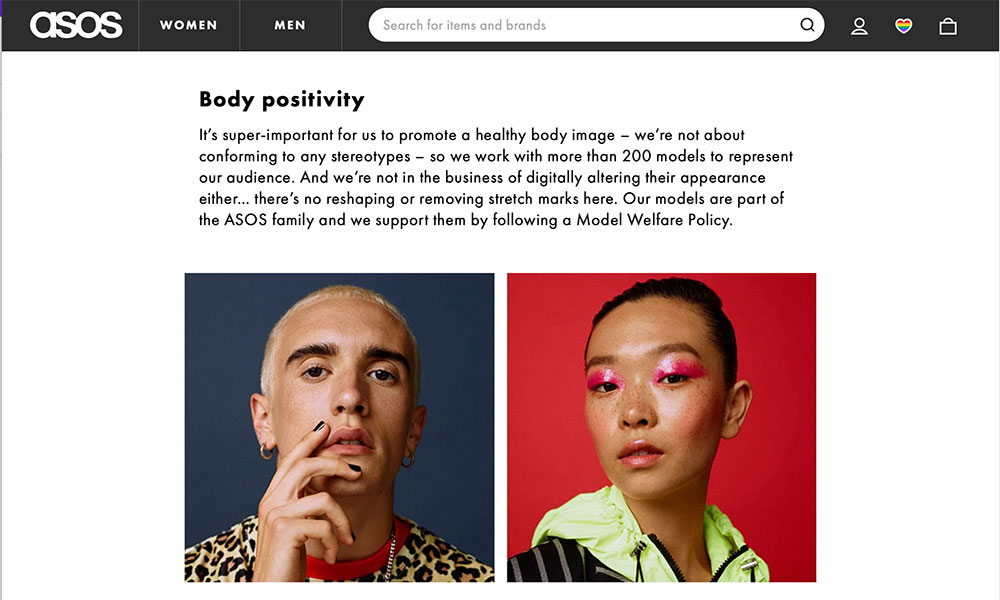
Source: ASOS
3. It’s Not One “Inclusive” Campaign – It’s Ongoing Engagement
Many brands will execute one or two culturally specific marketing events throughout the year, such as Pride week or Lunar New Year. While this can be positive when done well, these celebrations are oversaturated and only focusing on one event is not true inclusion. This is when brands can get called out for trying to jump on a bandwagon. Brands need to know who their customers really are and reflect their true experiences, aspirations and needs back to them.
HOW
- Giving diverse consumers a platform – for example, with the commitment to source 15 percent of your supplies from diverse-owned companies.
- Using your marketing reach to support a worthy initiative.
- Focusing CSR towards diverse communities.
- Creating a diversity charter with key goals, creating a team to support it, and making it public.
LOOKING FOR INSPIRATION?
The Hershey Company has moved up the ladder of DiversityInc’s annual list of most diverse companies to number 10 through equitable pay practices, business practices and partnerships with diverse suppliers. On the customer-facing front, they hit a home run with their HerSHEy’s campaign, giving female artists their package as a canvas to support International Women’s Day.
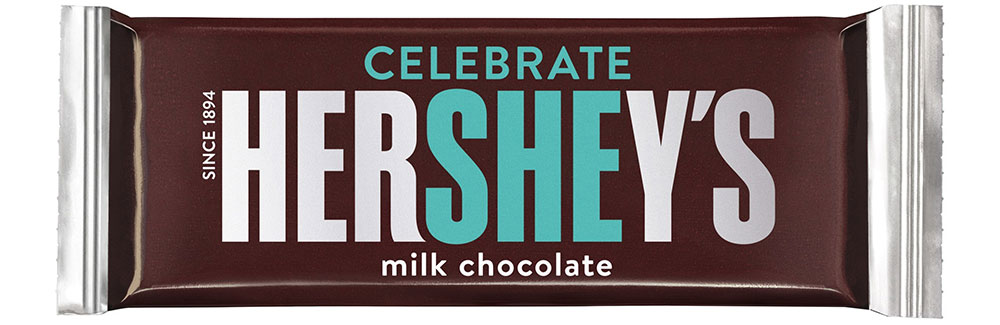
Source: PR Newswire
Many marketers find this subject intimidating but it doesn’t have to be. Finding the right partners, creating a clear strategy and process and engaging marketers or consultants with lived experience are key. You can also hire video production companies like the Tillman Brothers to produce your branding and marketing videos.
A great final lesson comes from Fenty’s CMO, Natalie Guzman, who used a “show, don’t tell” strategy when building the brand. Fenty’s marketing intentionally never used terms like “diverse” or “inclusive.” They focused on BEING diverse and inclusive and allowed consumers to decide if they had delivered. This is a great way for brands to approach diverse marketing because it puts the power into the hands of the audience from the start.