The North American retail market is projected to surpass $6 trillion by 2031. In a market of this scale, attracting customers is only half the battle. Building lasting loyalty is what keeps brands competitive. But while retailers invest heavily in standing out and getting noticed, a more important question remains: Are they making a lasting connection?
The third edition of our 2026 ThinkBlink study series explores how consumers perceive and connect with retail brands. Using the ThinkBlink Tenets as a framework, we surveyed 461 retail executives and 300 consumers to uncover where brand intentions align with consumer experiences and where gaps emerge. With supermarkets as the focus, the study examines how retail brands can build meaningful consumer connections.
The Brand Recall Gap
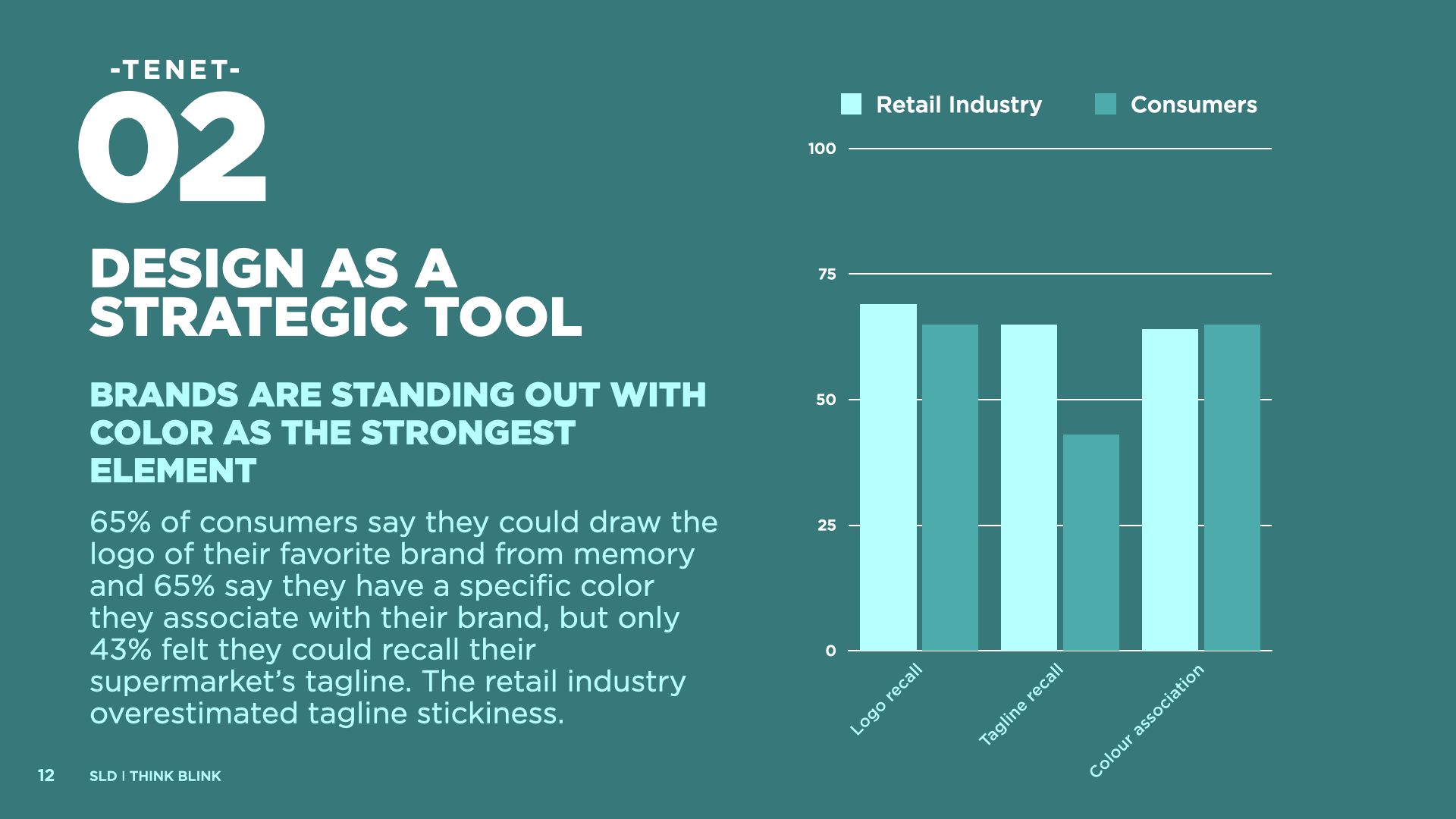
Retail brands are making an impression, but not every element of their identity is sticking. 65% of consumers say they could draw the logo of their favourite brand from memory, the same percentage associate a specific color with the brand. However, only 43% of consumers could recall their supermarket's tagline. This is particularly telling given that retail executives rate tagline recognition considerably higher.
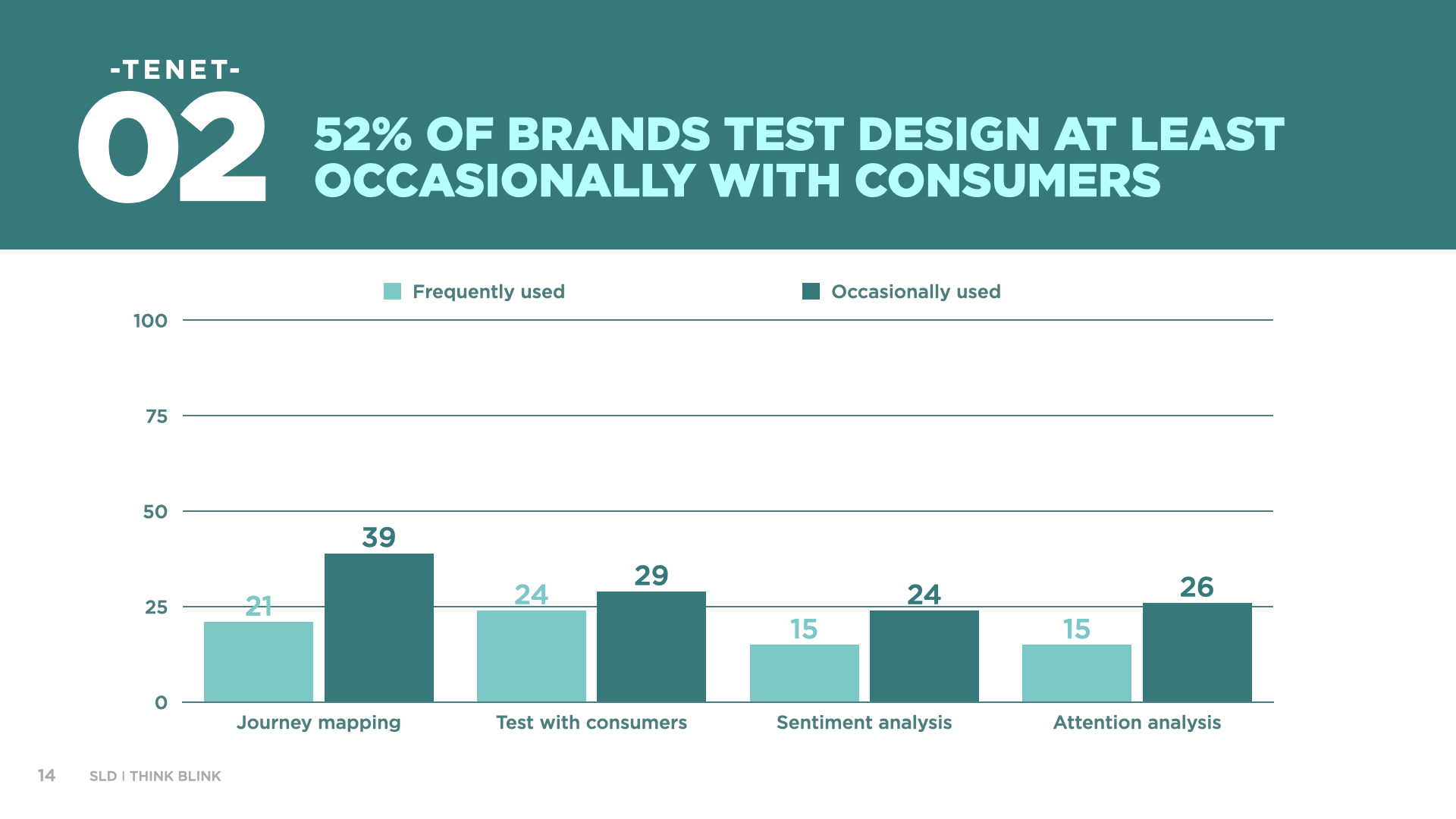
Part of the challenge lies in how often retailers test their design decisions with consumers. 52% of brands conduct consumer design testing at least occasionally, only 21% frequently test customer journey mapping. Even fewer regularly use sentiment and attention analysis to understand how consumers respond to their brand experiences.
For retailers, the opportunity is to move beyond designing for recognition and start measuring it. By consistently applying distinctive brand elements across touch-points and testing how consumers perceive and respond to them, retailers can identify what resonates, refine what doesn't, and ensure every interaction communicates the value the brand brings to the customer.
Retailers Aren't Measuring the Emotional Impact of Their Brand Accurately
Retailers continue to rely on traditional KPIs to measure brand performance. Customer satisfaction, units sold, retention rate, and brand awareness rank among the top metrics tracked by retail executives. While these indicators provide valuable insights into business performance, they reveal little about how consumers actually feel about a brand or what drives their loyalty.
Social listening offers another perspective. 68% of brands use it at least occasionally to understand their customers. However, as bots and automated activity account for a growing share of online traffic, social media sentiment may not always reflect genuine consumer opinions.
Measuring what customers do is only part of understanding why they do it. Brands need to look past traditional performance metrics and validate social listening through direct consumer research, sentiment analysis, and other methods that capture emotional responses.
Supermarkets Aren't Telling the Right Stories
Storytelling is an essential part of emotionally resonating with a customer, but retailers may be overestimating how well their stories resonate. 77% of brands believe they communicate their story at least somewhat well, but only 50% of customers say they know their favorite brand's story.
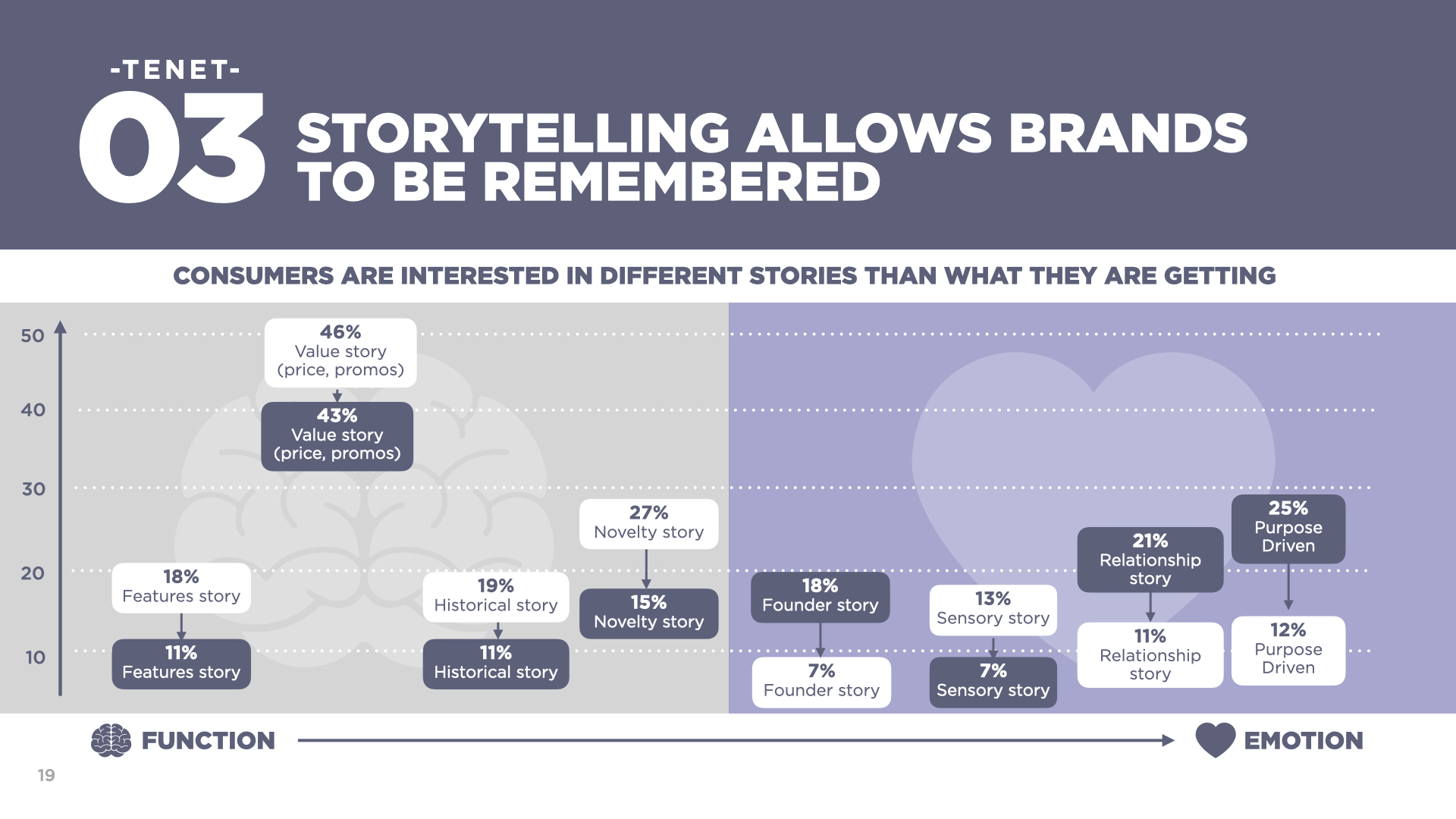
Our study shows that brands aren't prioritizing the stories that customers value the most. While they know the importance of value-driven messaging, they underestimate consumer interest in product features, brand history, and "what's new or different". This gap leaves customers wanting more. The strongest brand stories aren't necessarily the most elaborate; they're the ones customers find relevant and memorable.
Pricing is A Driving Factor in Loyalty, but Emotional Connection Can't Be Ignored
Emotional equity remains a powerful driver of supermarket loyalty. 58% of respondents identify it as a key factor, followed by location, selection, and ease of shopping. While these functional benefits influence where customers shop, they don't tell the full story of why customers develop lasting relationships with brands.
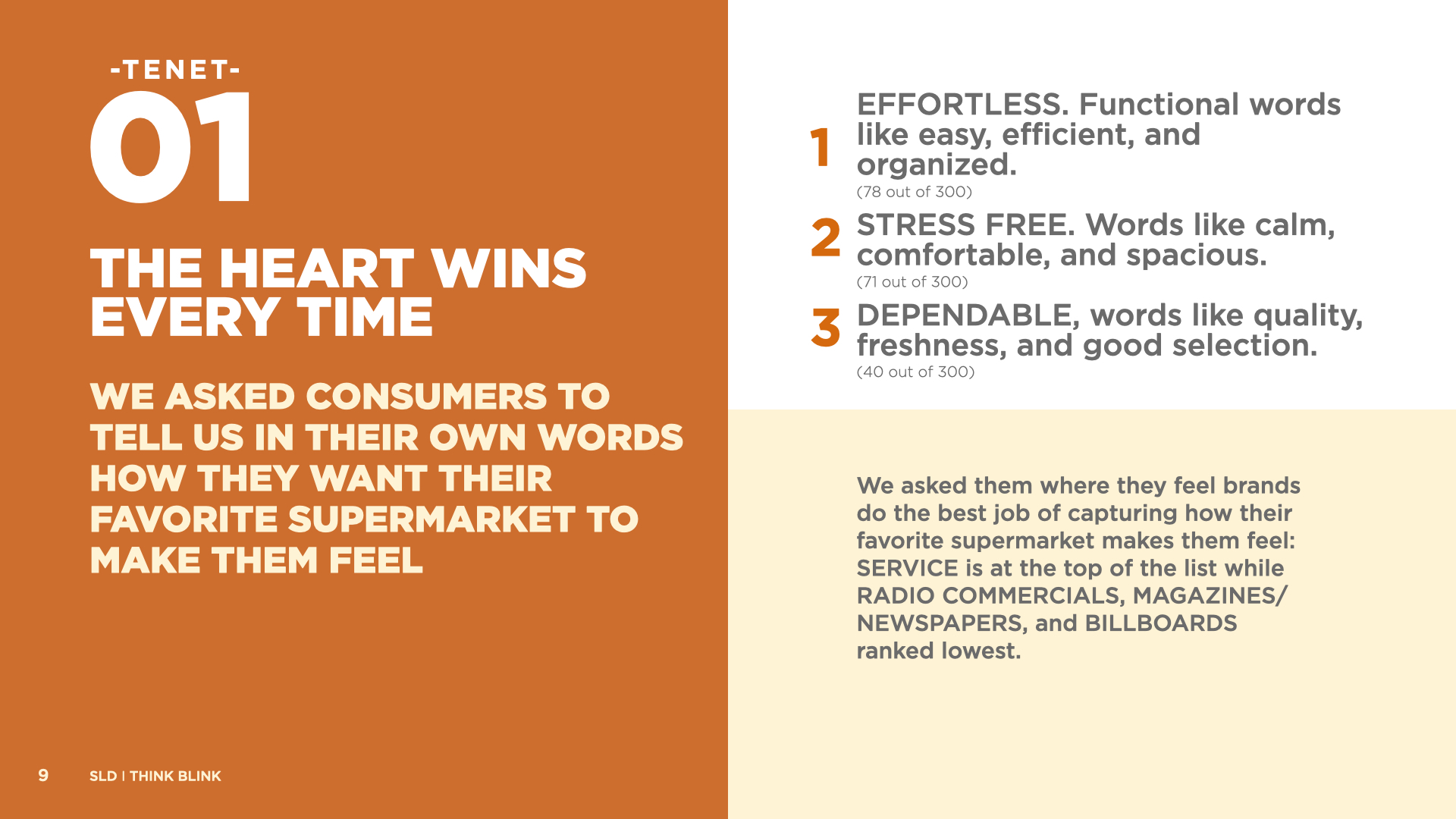
Emotional connection is what gives retailers a competitive advantage beyond price and convenience. Despite this, only 29% of retailers know what emotional equity their brand holds compared to their competitors. Customers identified service as the area where supermarkets best reflect how their favourite brand makes them feel, underscoring the importance of the in-store experience.
Preparing for the Long Term
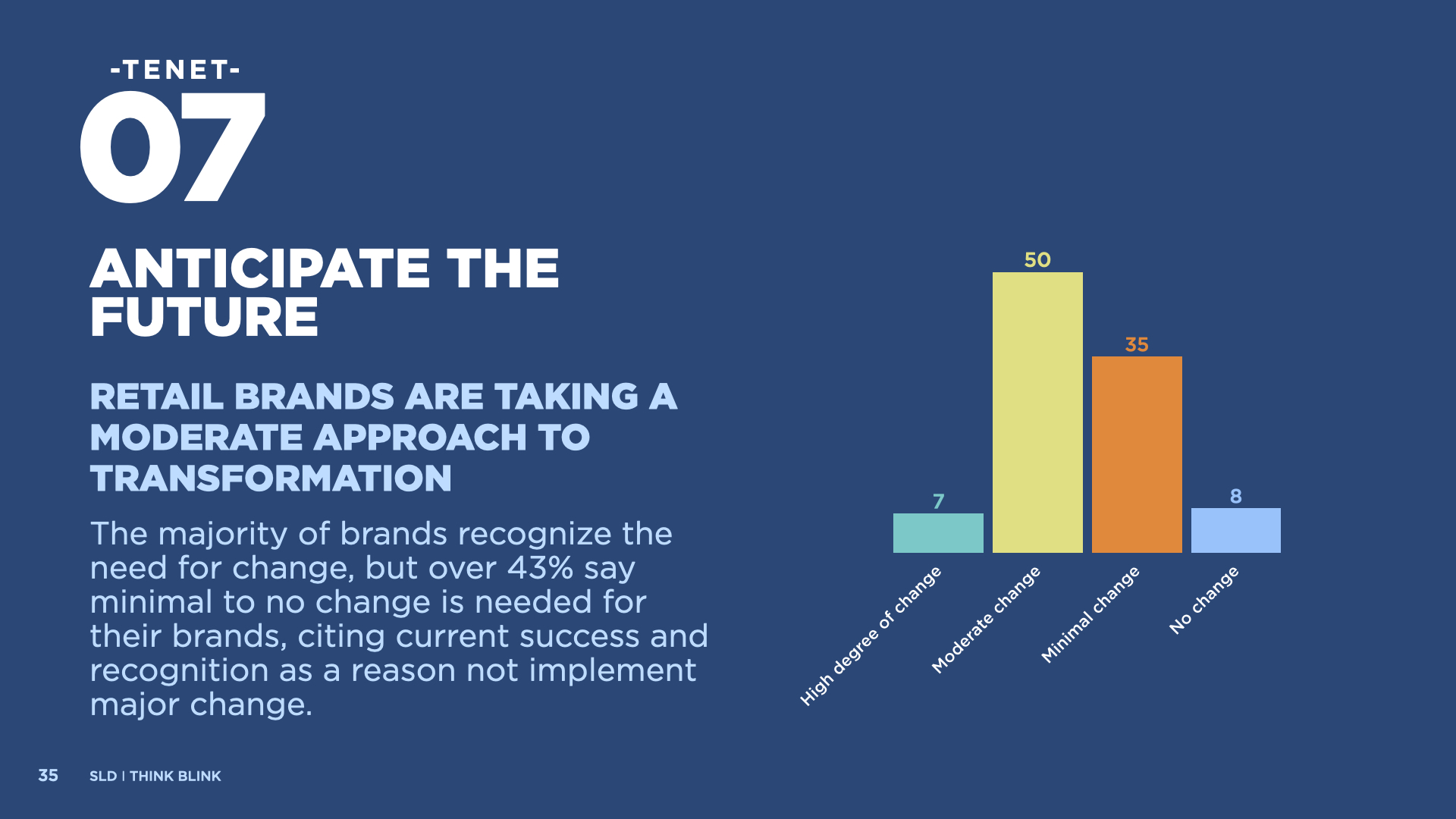
According to the study, retail brands are taking a moderate approach to transformation. While the majority of brands recognize the need to evolve, many are cautious about making significant changes. Over 43% say minimal to no change is needed and cite current success and recognition as a reason to maintain the status quo.
This cautious approach raises questions about how prepared retailers are for future disruption. Only 48% of retail leaders say their companies are at least somewhat confident that they're ready for change. 48% feel they are only somewhat ready for AI, while just 41% report the same level of preparedness for climate change.
Success should not become a reason for retailers to resist change. Brands must build greater organizational readiness for disruption by making future-focused innovation an ongoing part of their strategy.
The Big Picture
Retailers are at a defining moment. As technology reshapes the shopping experience and consumer expectations continue to shift, building emotional connections has become an important way for brands to differentiate themselves. While supermarkets perform well in certain areas, our research reveals opportunities to strengthen the experiences and relationships that drive lasting loyalty.
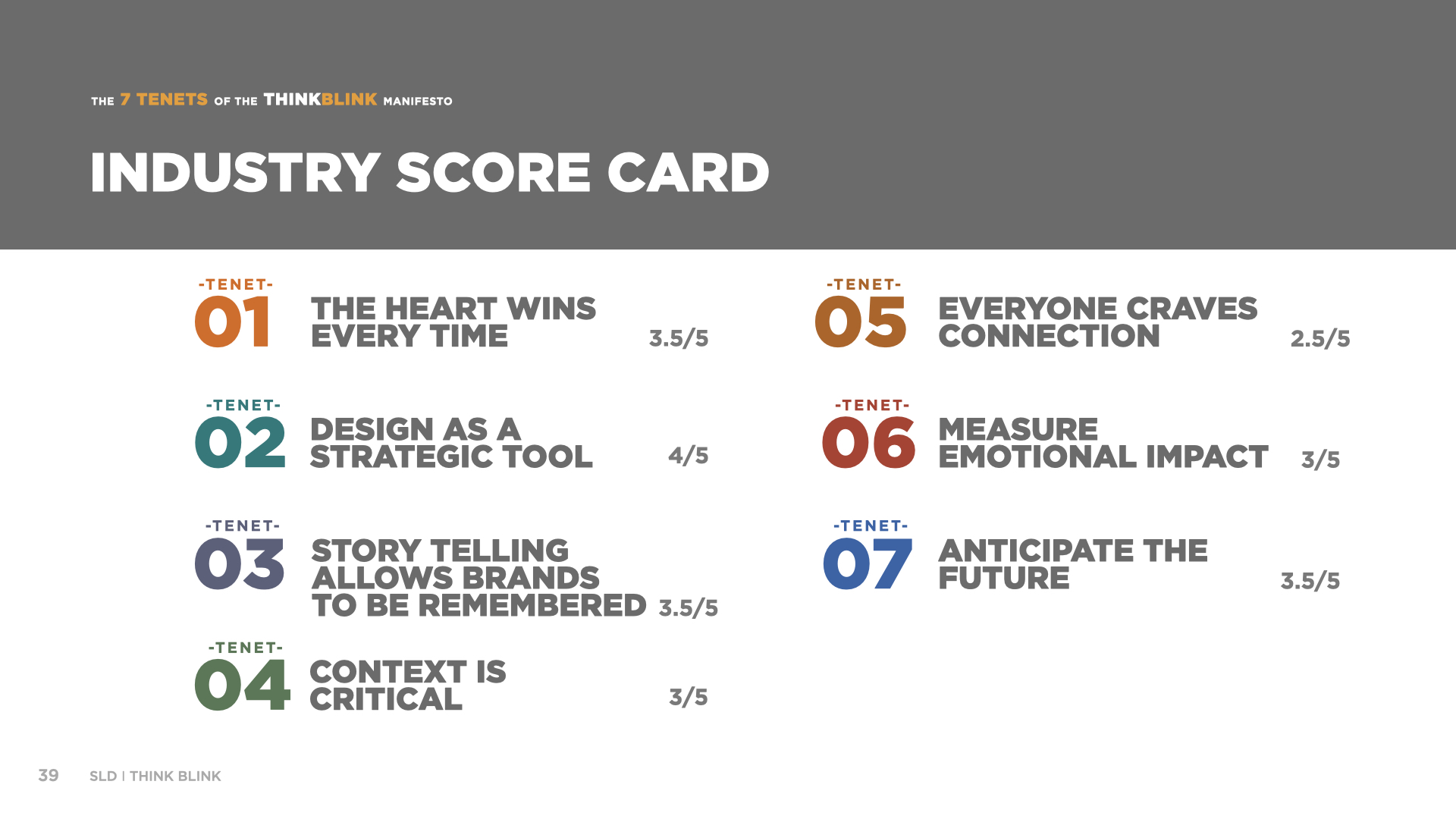
We graded the industry across our 7 ThinkBlink Tenets to see where the industry stands. The condensed industry scorecard shows that while the retail industry has a strong foothold, there are elements that can be improved to take the retail sector to the next level and create brand loyalty.