
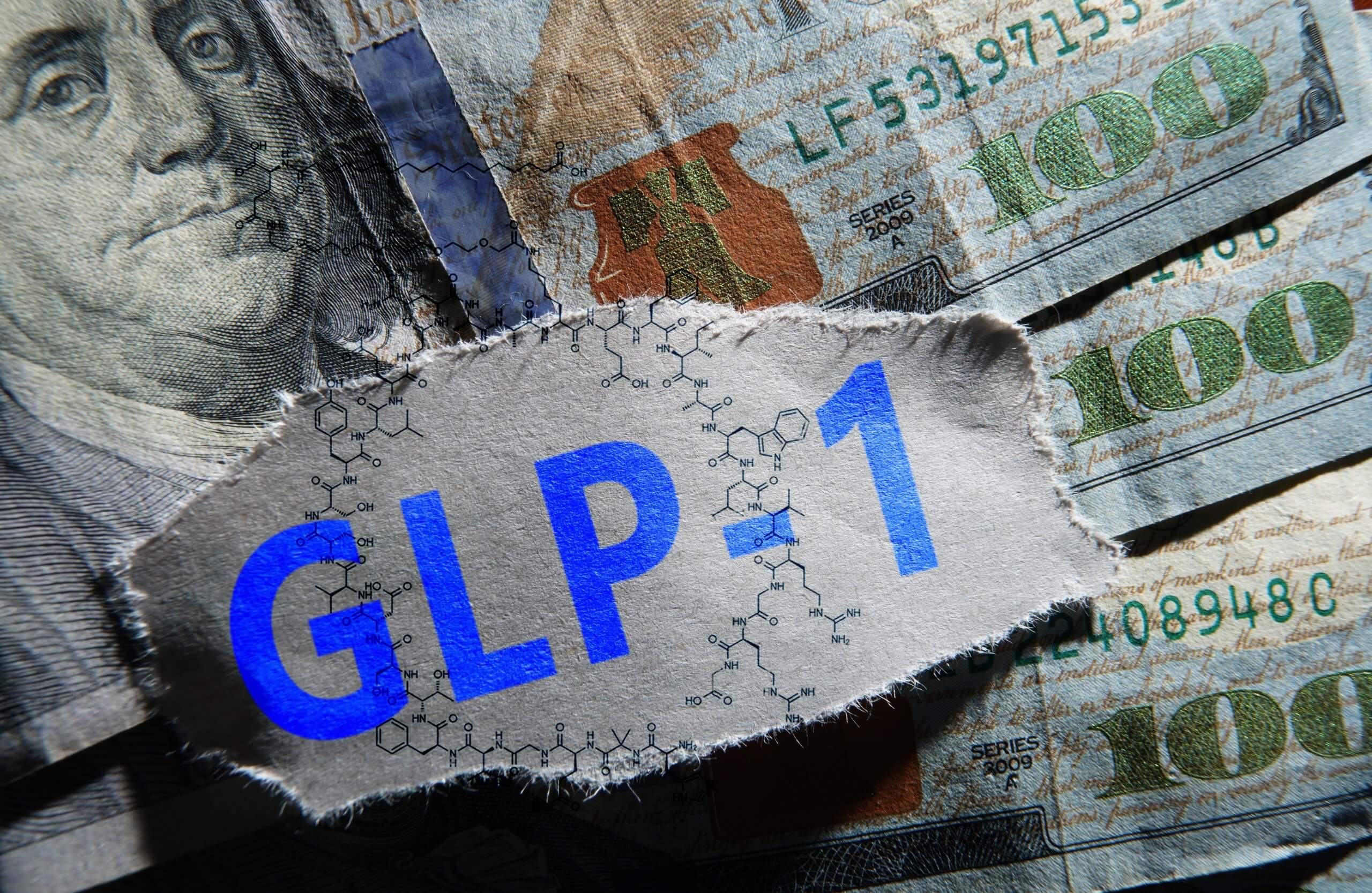
Over nearly four decades, our firm has stayed ahead of evolving consumer behavior. Our latest 2026 Trend Report signals that packaging is entering a new era. This transition is not just about sustainability or AI. The real disruption is behavioral. The rise of GLP-1 drugs is changing how consumers behave when it comes to food.
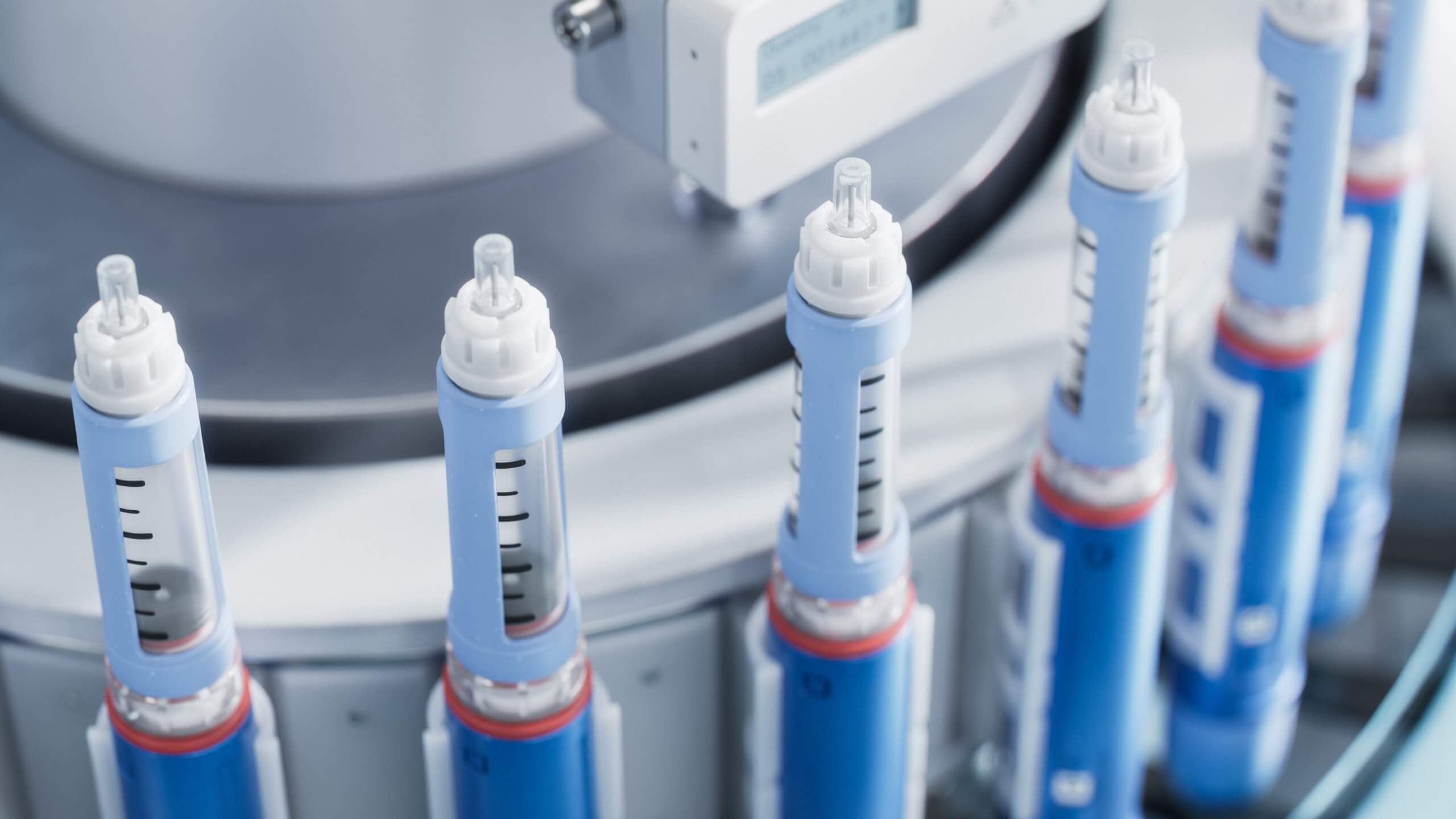
GLP-1 medications started as a treatment for type 2 diabetes. Today, millions use them to manage weight and suppress appetite. This drop in cravings completely changes how people buy food and browse the grocery aisle.
A Shopper Transition is Underway
GLP-1 usage is growing fast. In the U.S., about 12% of adults have used these drugs. By late 2025, over 12% took them for weight loss, up from just 5.8% in early 2024. The global market may double within the next 10 years. This trend is altering grocery habits in big ways. One study found that households on GLP-1 cut grocery spending by 5.3% within six months. On average, these families spend about $416 less per year.
A closer look at the data reveals that consumers aren’t just cutting back, they are shifting their priorities. While sales of sodas, chips, and sweet snacks are plummeting, health-conscious choices like yogurt and fresh produce are seeing a major lift.
The “Blink Factor” Moment is Changing
For years, packaging has won by triggering impulsive shelf decisions. That approach is losing power. Today’s consumers are far more deliberate, trading sudden cravings for confidence and control. They want to make smart choices quickly, without the confusion.Many current packages use bright colors, enticing copy, and food photography to spark an emotional reaction. These cues fail with GLP-1 shoppers. The medication literally subdues their response to cravings, allowing them to shop more logically. This movement will spread as GLP-1 costs come down, oral medications become widely available, and more sophisticated dosing overcomes the worst side effects. Shoppers will expect healthier, low-friction choices in every aisle. Packaging design must speak to the consumer’s identity, goals, and emotions towards food.
Packaging’s Emotional Role at the Shelf for GLP-1 Users
Brands can no longer just ask, “How do we stand out?” They must ask, “What emotional role do we play?” For some brands, the answer may still be energy and reward. For others, it may need to shift toward trust and nourishment. Packaging is still a tool that helps people decide. It controls what they notice first and what they trust. As buying habits evolve, design must change too. The goal is to redesign how choices are made on the shelf. Where ThinkBlink Creates an AdvantageSLD (Shikatani Lacroix Design) emphasizes the voice of the customer in the design process. Taking an empathetic approach, using behavioral design, will help brands shift from enticement to partnership with consumers. Action Steps for Brands
- Audit category heuristics through a GLP-1 behavioral lens, especially where impulse has customarily driven conversion.
- Reassess whether pack cues signal temptation, trust, confidence, nourishment, or control, and whether those signals still match the emerging shopper mindset.
- Consider packaging size and formats to appeal to customers who consume less.
- Rebuild packaging briefs around GLP-1 decision states, not just demographics or occasions.
- Test hierarchy of communication and claims to determine which strike a chord with both GLP-1 and the general consumer base.
- Treat GLP-1 not as a niche medical trend but as an early indicator of a wider intentional-purchase economy, where retailers’ private-label programs may seize the opportunity, much like organic and healthier-for-you sub-brands.
ConclusionWhen human behavior changes, the shelf needs to change with it. GLP-1 drugs are poised to impact not only food, but also consumption of alcohol, gambling, and even impulsive shopping in other categories. Packaging is at the frontline of consumer touchpoints. Optimizing for GLP-1 is key to staying ahead of the curve.