
Concerns about theft in retail have been mounting since the pandemic. What’s behind the shifting dynamics of shrink and how can brands address it? Design is only one element of loss prevention, but it’s a key component. Before we get into how design can help, let’s take a look at how theft in retail stores is evolving.
We Don’t Have All The Data But Theft Has Definitely Changed
One of the challenges in combatting retail theft is the lack of a big-picture view, backed up by reliable data. Self-reported information from retailers shows a perception that theft is substantially higher today than five years ago, but ledgers don’t always back that up. What the data does show is a shift in behavior around theft, including:
- Theft patterns indicate a rise in organized retail crime (ORC) on both a small and large scale.
- Violence and threats of violence in retail theft have increased.
- Thieves have become more brazen, likely due to the low rate of prosecution.
- An increase in shoplifting, both intentional and due to error, at self-checkout.
- Resale markets online have provided a new means for profiting from stolen goods.
- Theft occurs not just in the store, but throughout the entire supply chain and retail ecosystem, including online fraud, employee theft, and cargo theft.
The National Retail Federation has done a great job of starting the conversation with this report.


Image Source: Shutterstock
Multi-Pronged Approach
There are four tools retailers can use to reduce shrink: staff, policy, technology, and store design. While this article will focus on design, we want to acknowledge the other three as they must all work together to be effective.
- Staff. More staff (including security) and training on loss prevention play a critical role in reducing loss.
- Policy. Low rates of intervention and prosecution follow-through have created a low-risk/high-reward scenario for thieves.
- Technology. Technology effectiveness often relies on staffing.
What Role Does Design Play
Store design can reduce shrinkage by making it less comfortable for thieves to steal. Three main design tools can help: visibility, layout, and merchandising.
Visibility – When thieves feel watched, they’re less likely to steal.
The problem: Many stores use high fixtures packed closely together, crammed with as much product as possible. With fewer staff on the floor, would-be thieves can easily avoid being seen.
Challenges With Existing Solutions:
Cameras: Well-placed, clearly visible cameras provide some limited deterrence. To be truly effective, they must be manned by staff who are able to intervene when suspicious behavior is observed.
Cameras at self-checkout: Screens that show shoppers their own image elevate the sense of being watched. This could deter low-level petty shoplifting but is unlikely to stop more aggressive criminal theft.
Mirrors: Mirrors that provide a view around hidden corners are a double-edged sword. Unless the floor is sufficiently staffed with well-trained employees, they can help thieves watch for an opportunity to steal.
Raise Visibility:
- Lower fixtures that allow for a full view of the store
- No dark corners
- Sufficient staff and/or security with clear sightlines
- High-quality cameras with manned staff trained to intervene
- High-quality cameras with screen view at self-checkout
- Strong presence of staff throughout the store
- Where relevant, post signs that clearly state the retailer’s policy to prosecute all incidents of theft
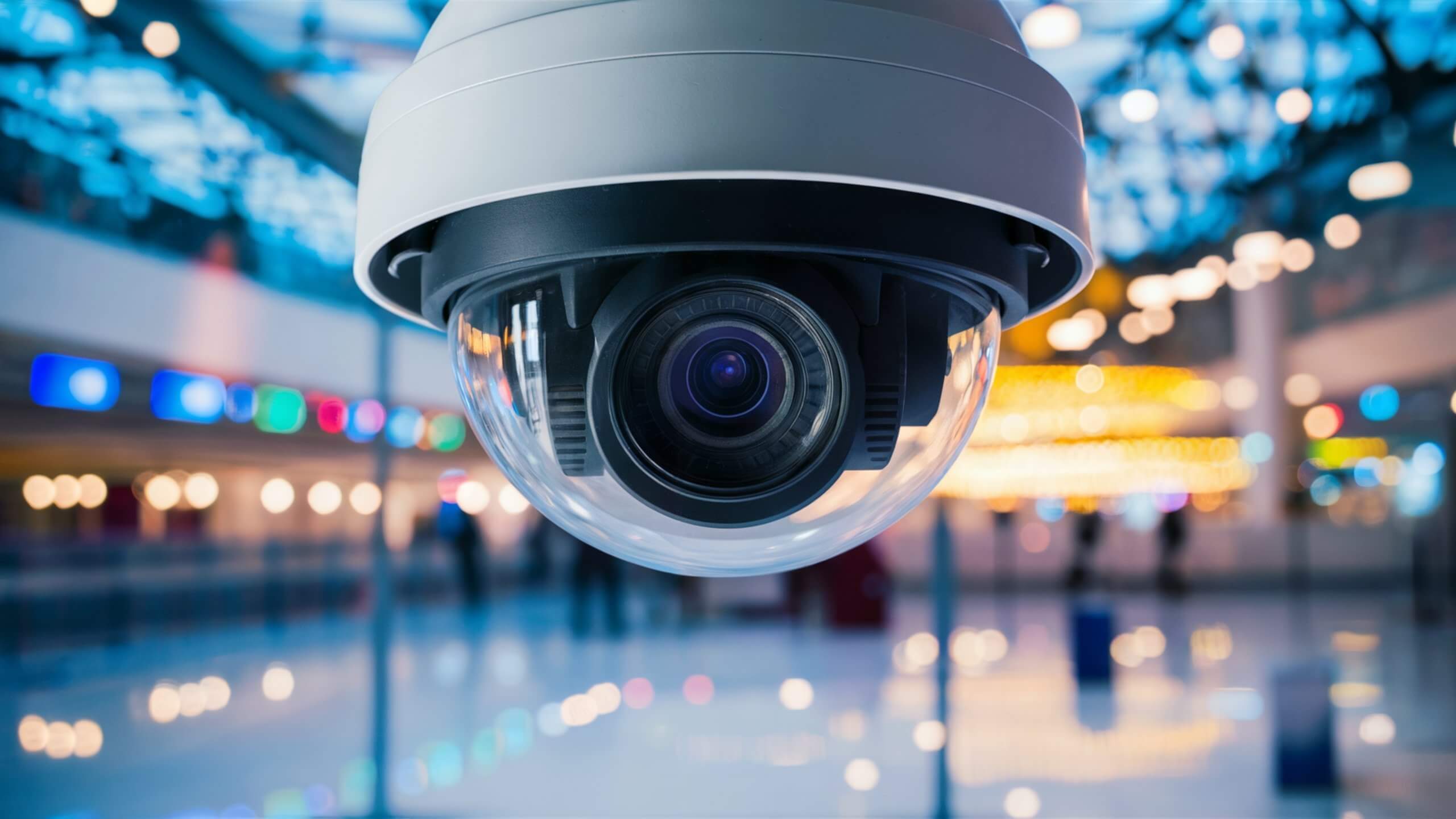
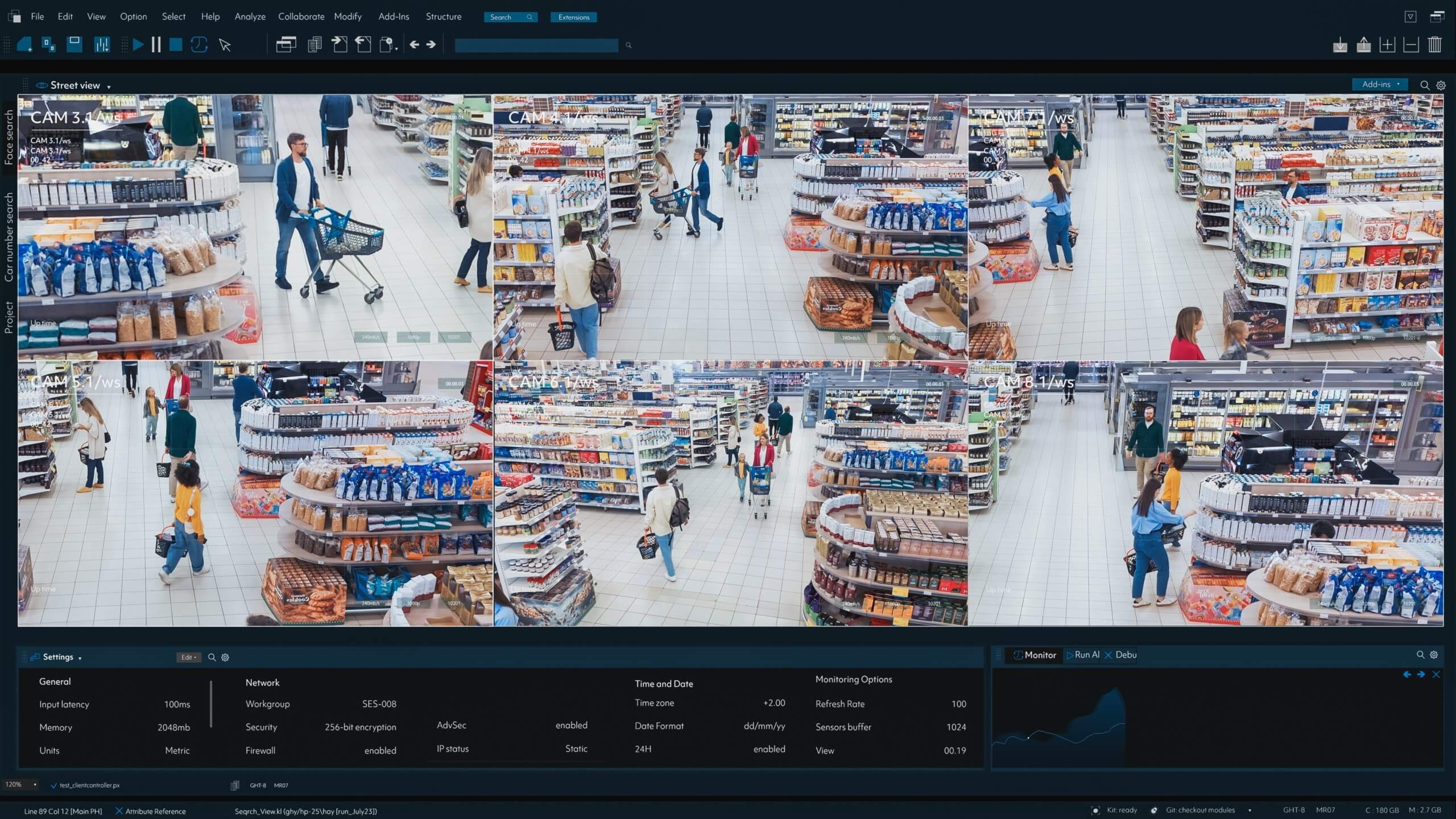
Image Source: Shutterstock
Merchandising – Lock it up?
The problem: Product that sits out on a shelf, especially smaller items of higher value, are easy targets for theft. Locking it up isn’t a great solution, as it deters as much shopping as it does theft.
Challenges With Existing Solutions:
Locking it up: Locking up product is not ideal because it turns legitimate shoppers away. The Freedom Case (no affiliation) is a new tech tool that could help overcome this issue by allowing customers to access locked product through their cell phones.
Reduced product on the shelf: In many categories, the volume of sales and restocking labor costs makes this strategy challenging, although when possible it can be effective.
Decoy packaging: Empty packaging or product tags at the shelf that must be taken to a cashier for retrieval is clunky at best and requires ample stocking space.
Merchandising Solutions:
- Move high-theft items to the front of the store close to staff
- Reduce the amount of product on shelf where possible
- Stock high-theft product behind a counter, using decoy packaging or well-designed product tags at shelf (tags can reduce labor costs)
- Lock overstock areas
- Use locking product as a last resort only
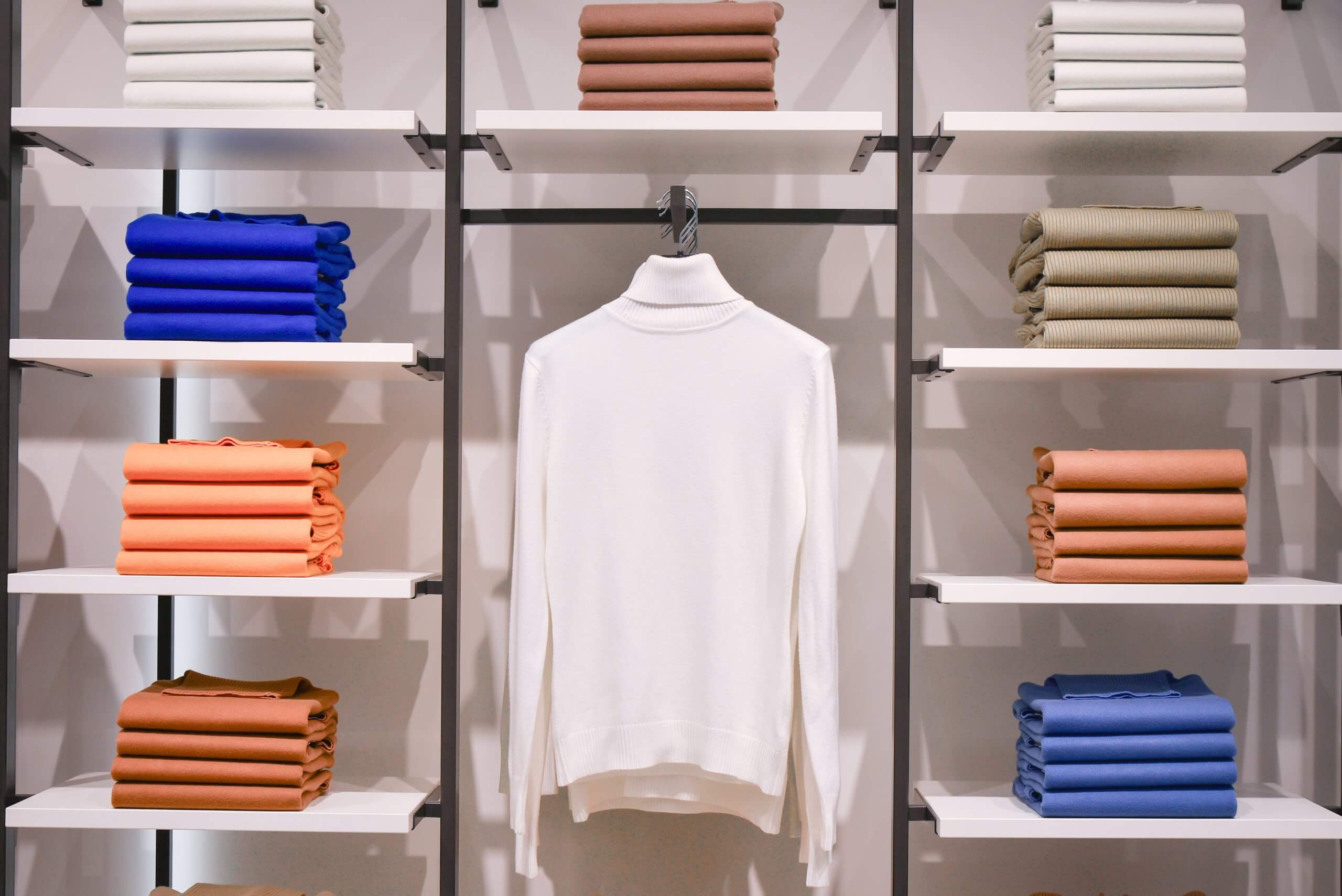
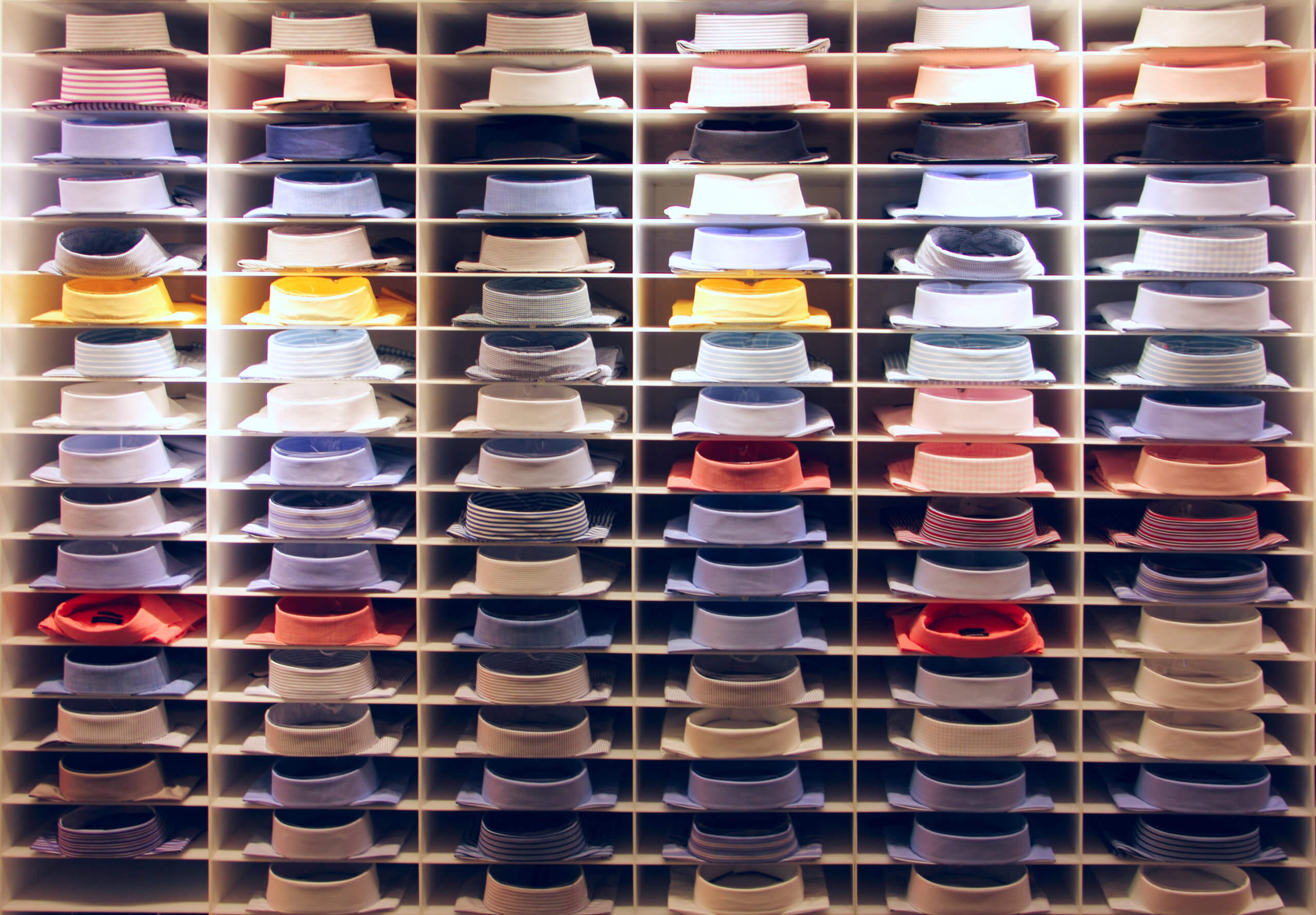
Image Source: Shutterstock
The Takeaway
Design can help reduce retail theft when implemented hand in hand with changes to staffing models and training, and more aggressive intervention policies. Consumers are starting to change their preferences due to theft: 58% say they’d rather shop online due to concerns about theft. Until stealing becomes riskier for thieves, it will continue and the erosion of the store experience will increase.