
Ask anyone who works in hospitality, and they’ll tell you the party feels a little tame these days. Not since Generation X has nightlife seen raucous, regular partying, and the night economy is taking a hit. Millennials came out but ate more and drank less, increasing emphasis on foodie experiences. But Gen Z? They’re not coming out much at all.
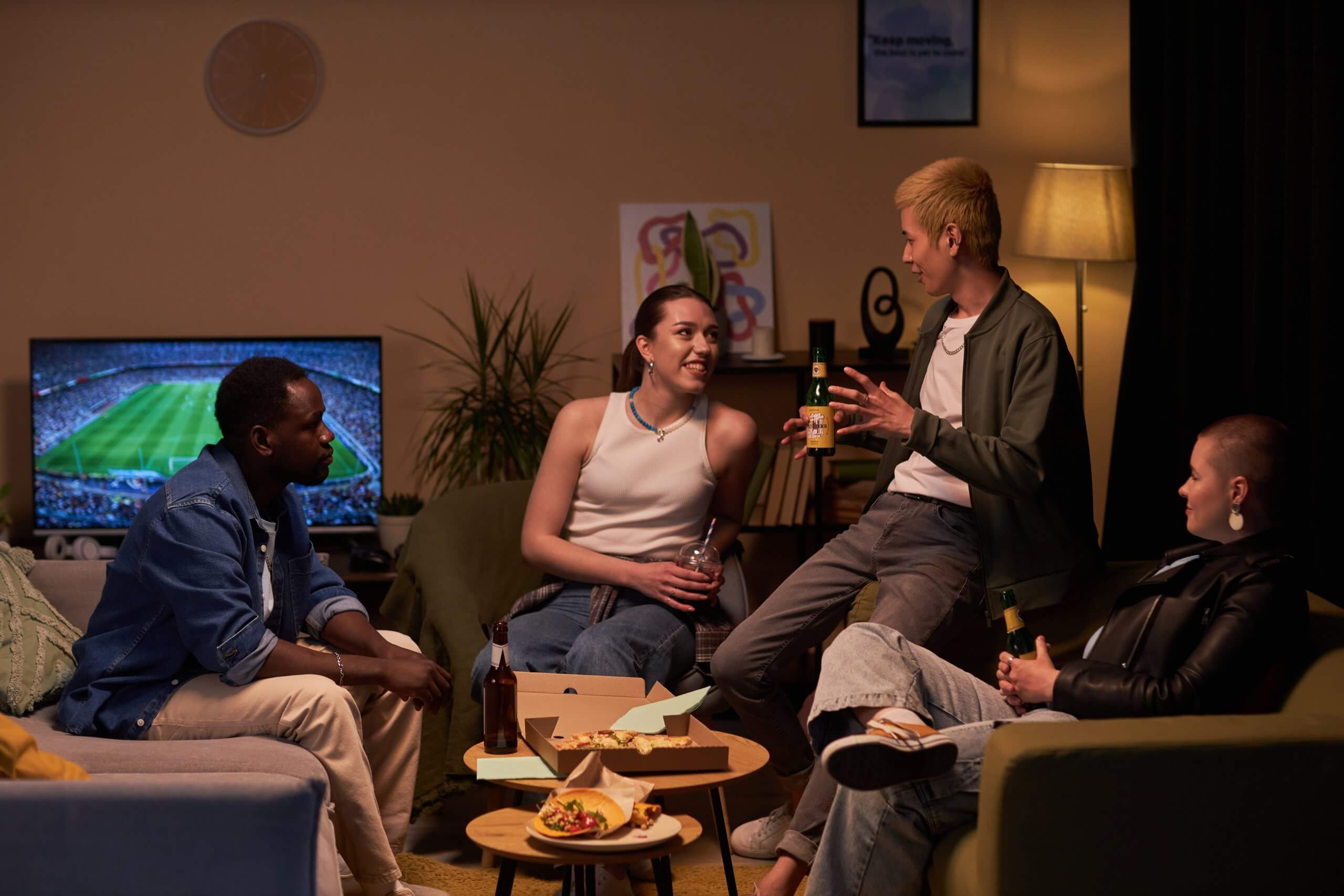
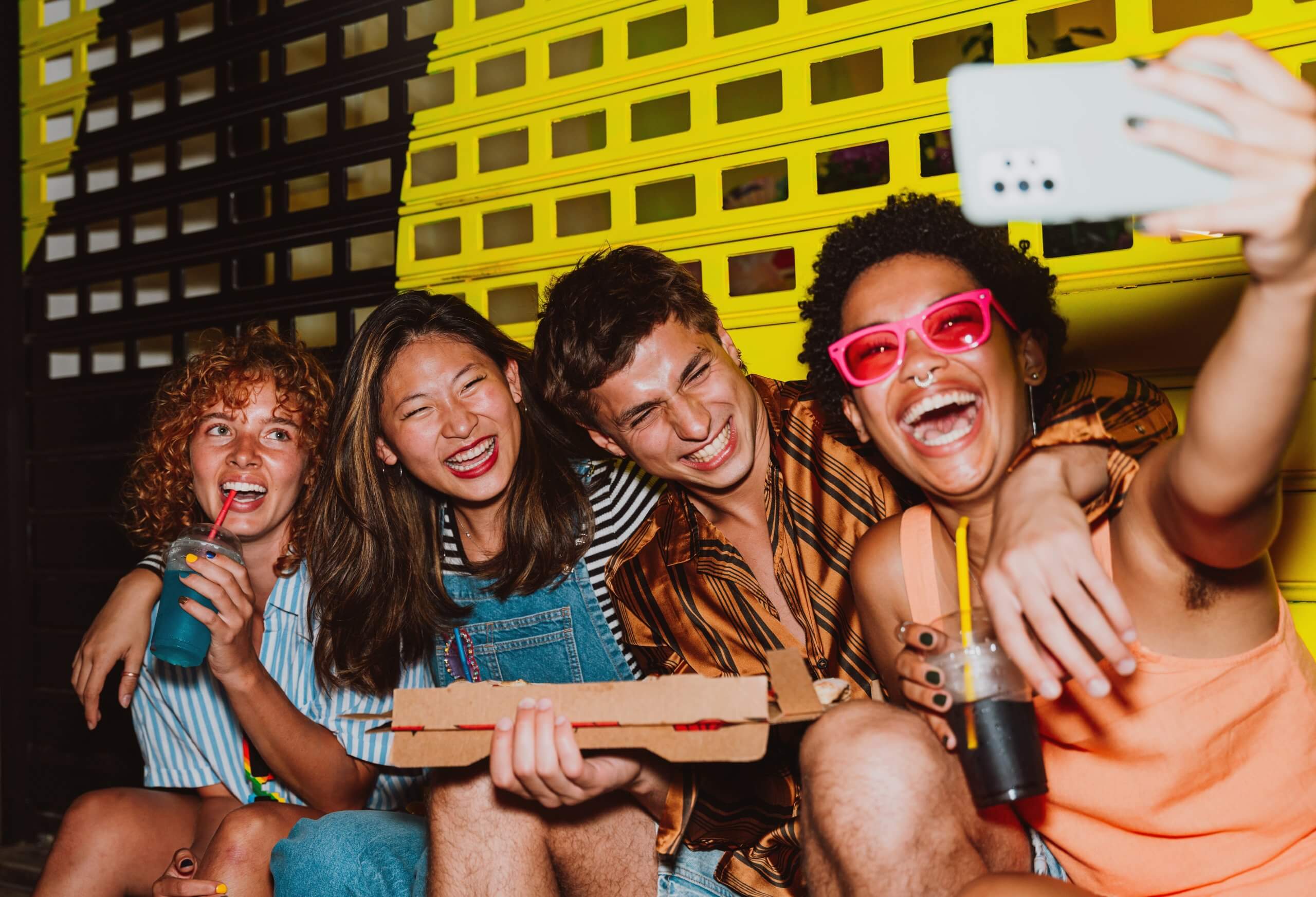
Image Source: Shutterstock
What’s Driving Gen Z to Stay In?
Gen Z is foregoing all-night benders for both practical and emotional reasons. On the practical side, cost dominates. The emotional aspects are more complex and varied.
Add it all up: a $20 cover charge, 20$ for a few drinks, and a $20 Uber is the bare minimum for a night out. Add food and tips, and it’s easy to spend $100. With Gen Z experiencing some of the highest unemployment rates for young adults in decades, and many still in post-secondary education and training, it’s just too expensive. They can gather at home for a fraction of the cost. Gen Z is known to be fiscally pragmatic, so even those who have discretionary funds are thoughtful spenders.
But it isn’t just about the money. The emotional factors that are pushing Gen Z into private events at home are wide-ranging. Mental health is a big one, especially social anxiety. Physical health and wellness, including the sober curious movement, is another. Lastly, ever-present cell phone cameras and social feeds create a surveillance culture where “bad behavior” can be captured and widespread in minutes. Let’s dig a little deeper into how these factors are discouraging Gen Z from enjoying a night out.
Gen Z drinks less overall, considerably less than their Gen X parents. An emphasis on physical and mental health is only partly responsible. Gen Z experiences less social pressure to drink – avoiding booze isn’t unusual anymore. Compare that to Gen X, where peer pressure was a constant subject of public health videos and high school assemblies. Cannabis legalization makes it easier to get, it’s often cheaper, and the relaxing nature of the drug appeals to Gen Z.
According to podcaster Scott Galloway, less alcohol isn’t necessarily all good. He sees the “social lubricant” of a few drinks as helpful in potentially intimidating social environments. While some see this as a weird take, consider that social anxiety and loneliness are some of Gen Z’s top concerns… maybe he has a point. Overcoming loneliness requires socialization, social anxiety could be helped with a bit of “liquid courage”. What this doesn’t address is the pressure of always being watched and potentially filmed. When we consider this element, Gen Z may have some legitimate concerns about getting tipsy in public.
Everywhere you go, Big Brother, Big Sister, and all your aunts and uncles are watching. Gen X was the last generation to come of age without omnipresent cell phone presence. This freedom meant Gen X could act like fools and wake up the next day laughing about it. Today, even harmless but embarrassing behavior can have an impact on employment opportunities and university applications. While this isn’t universally the case, it’s also not unusual.
Gen Z is careful about social media activity. They prefer private chats and observe public content with minimal engagement. Social gatherings follow a similar trend. They prefer private or semi-private experiences. Staying in with trusted friends is the ultimate in stress-free social experiences.
What Does a Friday Night With Gen Z Look Like?
Gen Z prefers private gatherings at home, and not necessarily to drink or dance. A rising trend is “admin nights,” where friends get together to help each other manage boring life tasks such as paying bills. They host themed events such as PowerPoint parties, “Nowhere to wear this outfit” parties, and other TikTok-inspired ideas, play board games, cook together, and even learn skills like knitting or a new language. There may be alcohol or cannabis, but not as the main event.
Younger generations do go out, though less often, but a night out is more likely to be planned than spontaneous. They want a big bang for their entertainment dollars, focusing on events that offer more than just a generic dancefloor. “Soft clubbing” dance parties that end early or occur during the day are gaining popularity. Activity-based experiences, such as karaoke, F1 Arcades, fitness, bowling, or mini-golf, are more likely to attract their interest. Live performances, watch parties of live-streamed content, and even academic lectures are examples of how Gen Z is maximizing a night out.
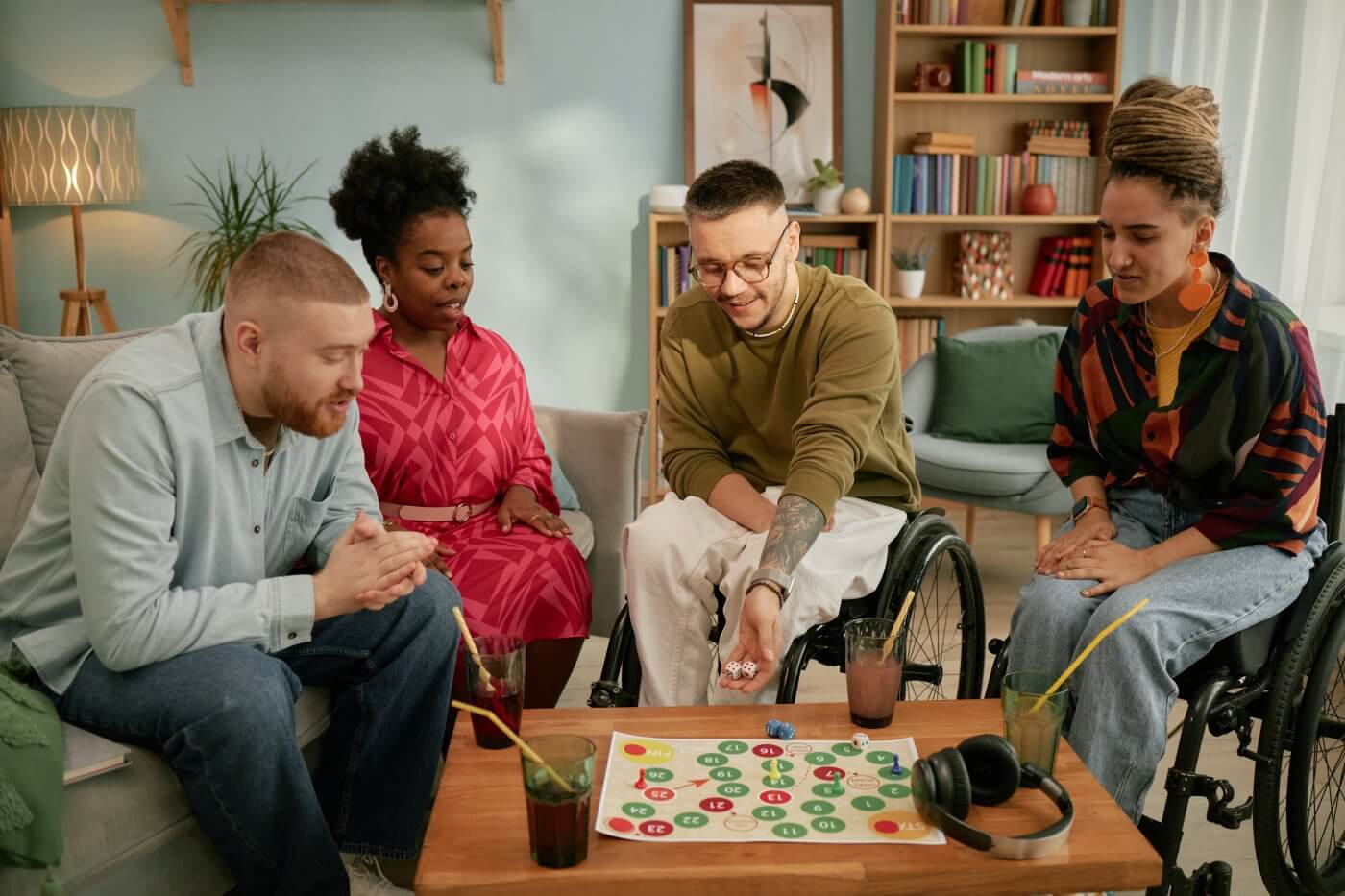
Image Source: Shutterstock
Actionable Insights for Brands
Gen Z is shifting towards social experiences that emphasize community, security, productivity, and stress reduction. They’ll let loose in environments where they feel secure and go out when they feel they’re getting a worthy experience. To meet Gen Z’s Friday night needs, here are some strategies brands should employ:
- Reduce costs by offering early-bird tickets, student pricing, and bundle pricing for groups.
- Offer a wide range of low and no-alcohol drinks, such as dirty sodas, functional beverages, and mocktails with a range of price points.
- Introduce semi-private or private areas or design space to create intimate areas rather than a large open space.
- Create phone-free experiences using Yondr Pouches.
- Host social events earlier in the evening or even during the day. Even morning coffee events with DJs and dancing are taking off.
- If legal in your region, consider a cannabis-friendly patio.
- Tap into TikTok trends for themed experiences that aren’t heavy lifts. For example, hosting an admin night during tax season with a tax advisor on hand, or piggybacking on the popularity of a current TV show, such as the Traitors or Love Island, for themed streaming parties.
- If appropriate for your space, host live performances for a range of audiences, ranging from drag brunch to stand-up to music. Support local up-and-comers.
- Consider introducing an event programmer as part of your team to ensure you’re able to sustain themed events, partnerships, and other specialty experiences. Many such efforts fail due to a lack of internal resources.
- Find ways into Gen Z at-home events through branded kits that align with their preferences, such as customizable party meals and cocktail kits.
- Many of the above ideas offer partnership opportunities, allowing food and entertainment retailers to tap into trends through relevant local or niche brands.
Millennials and Gen X are still viable targets for the night economy, and some of the above strategies, such as earlier evening events, are relevant to getting them out as well. But to create thriving nightlife into the future, restaurants, clubs, and performance venues will need to align themselves with a Gen Z perspective rather than trying to convince them to party like it’s 1999.